Maldives Travel Adventures
Maldives Travel Photography
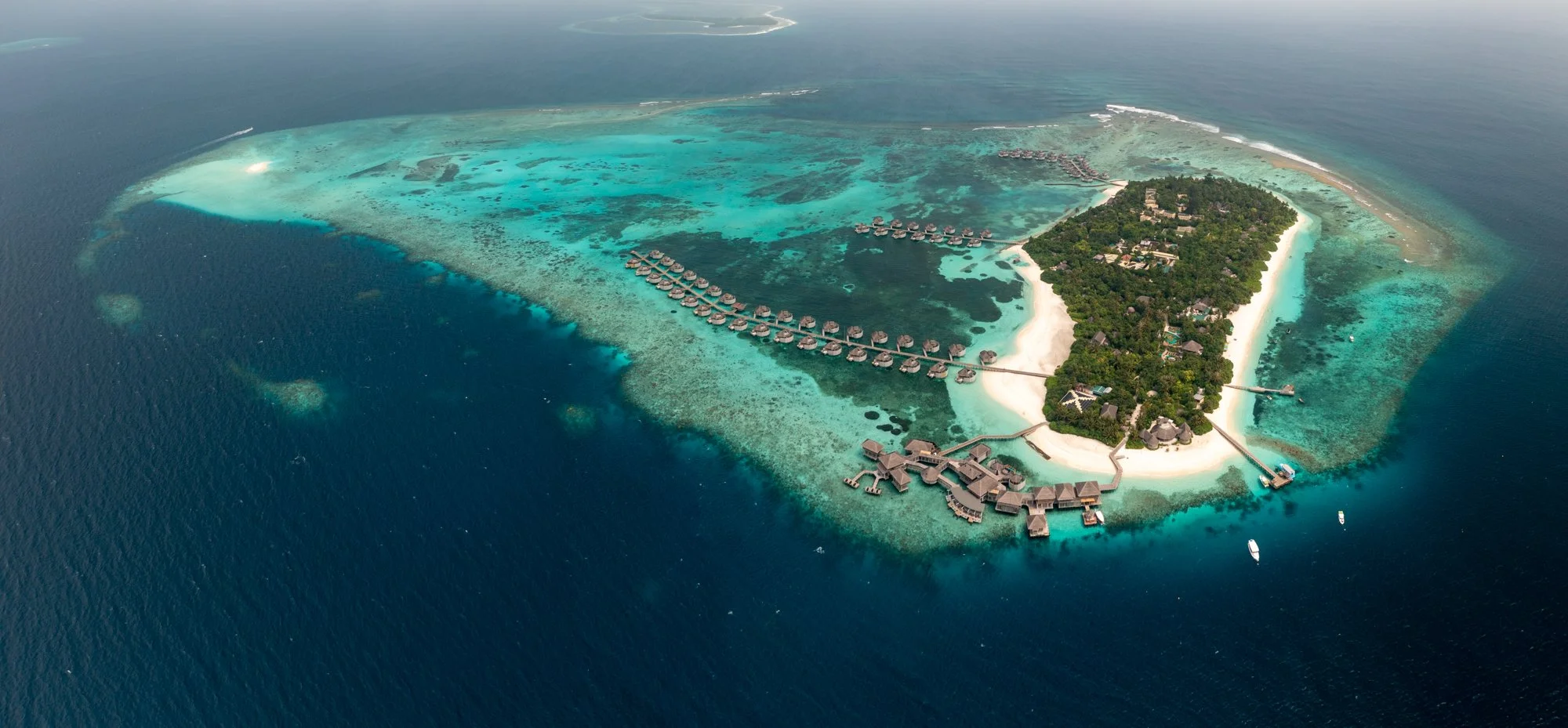
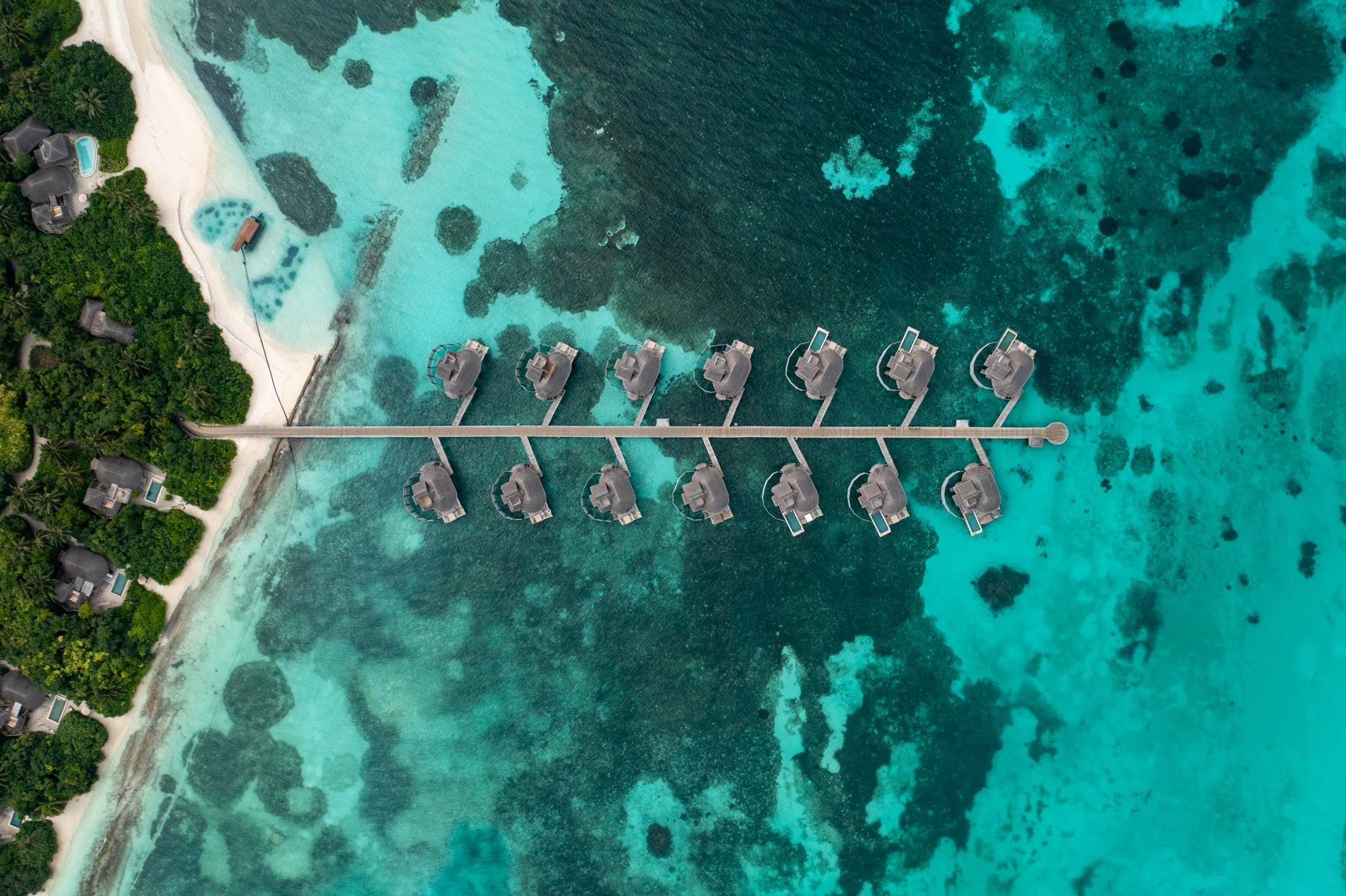
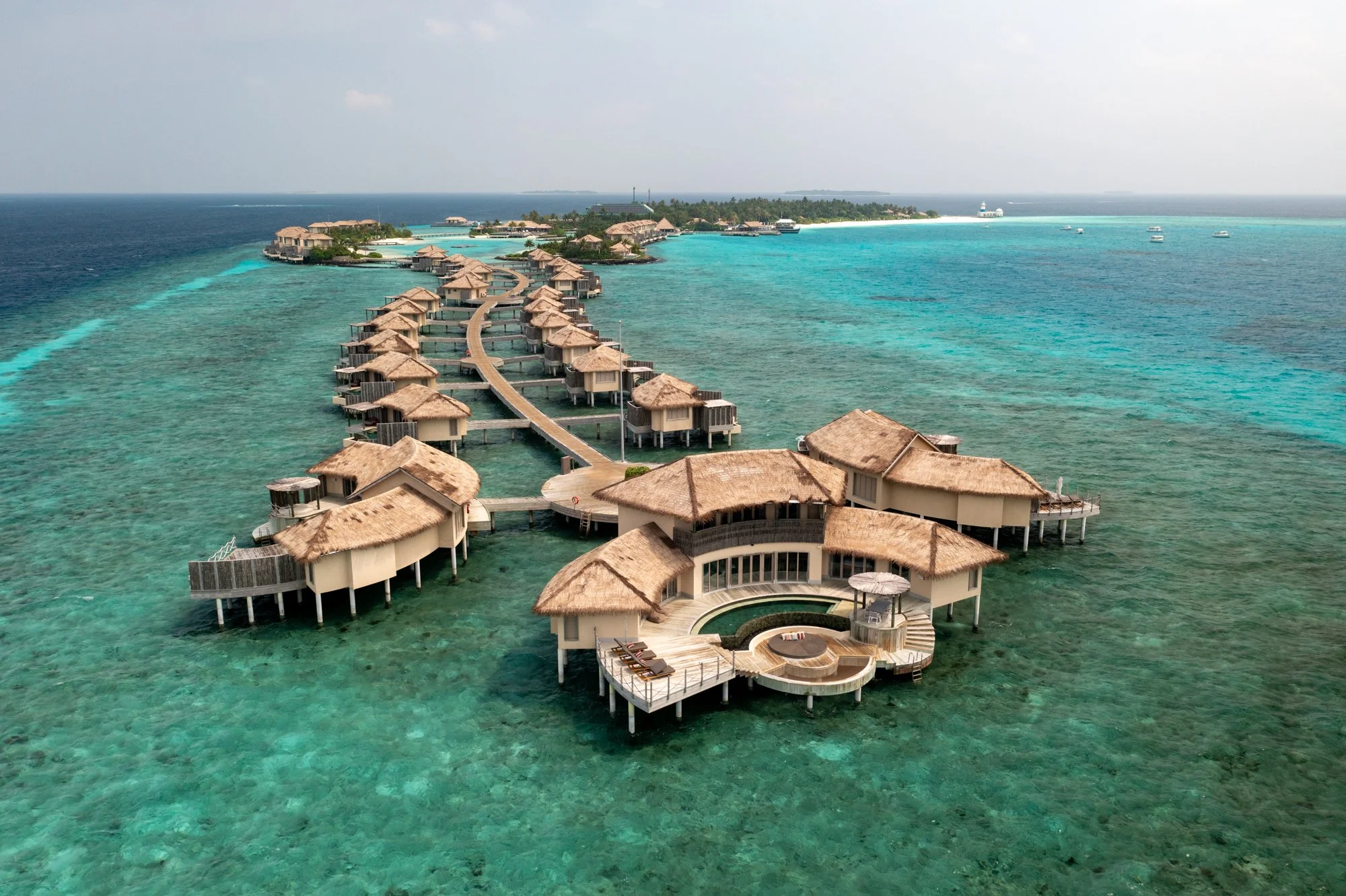
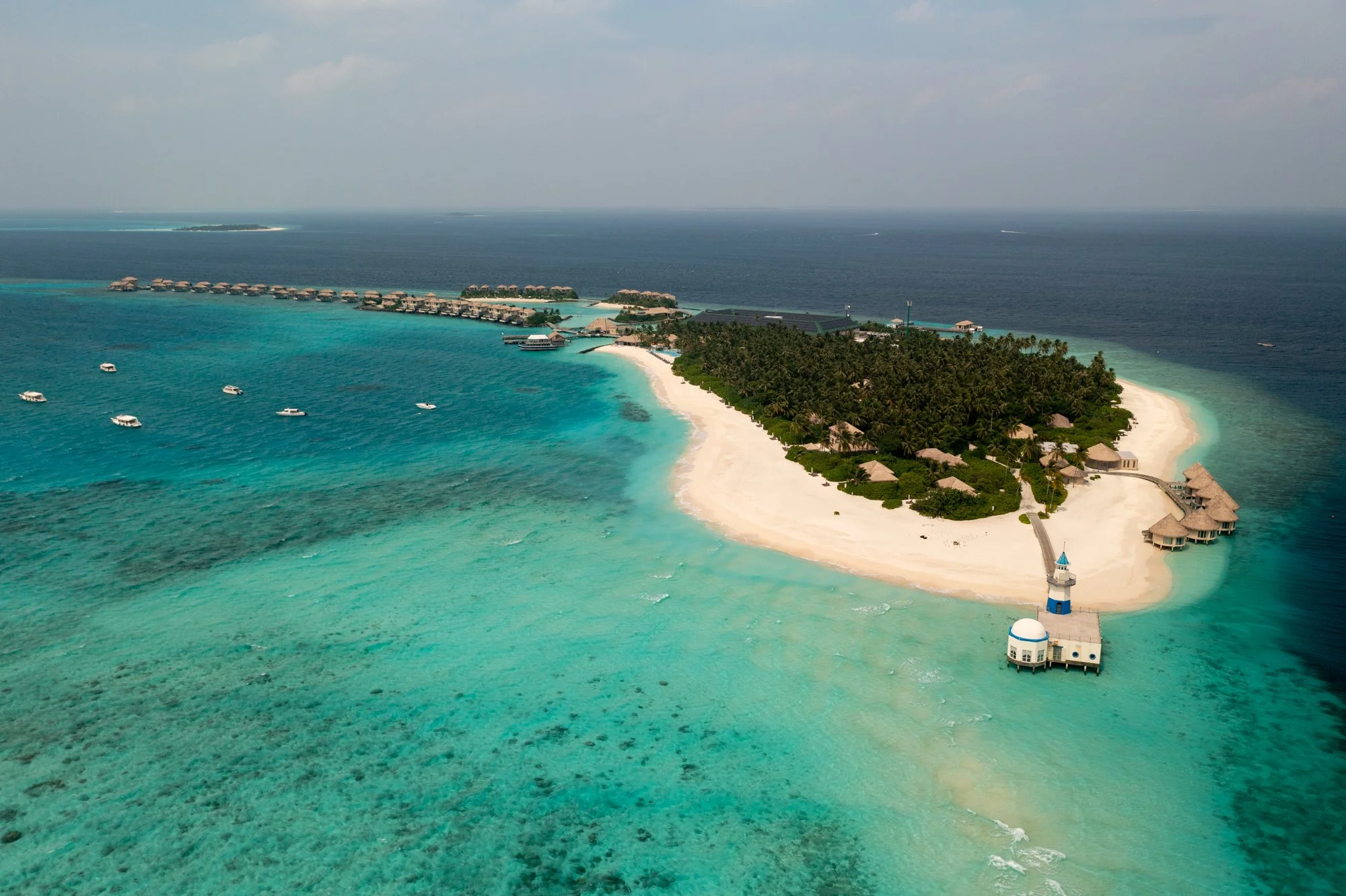
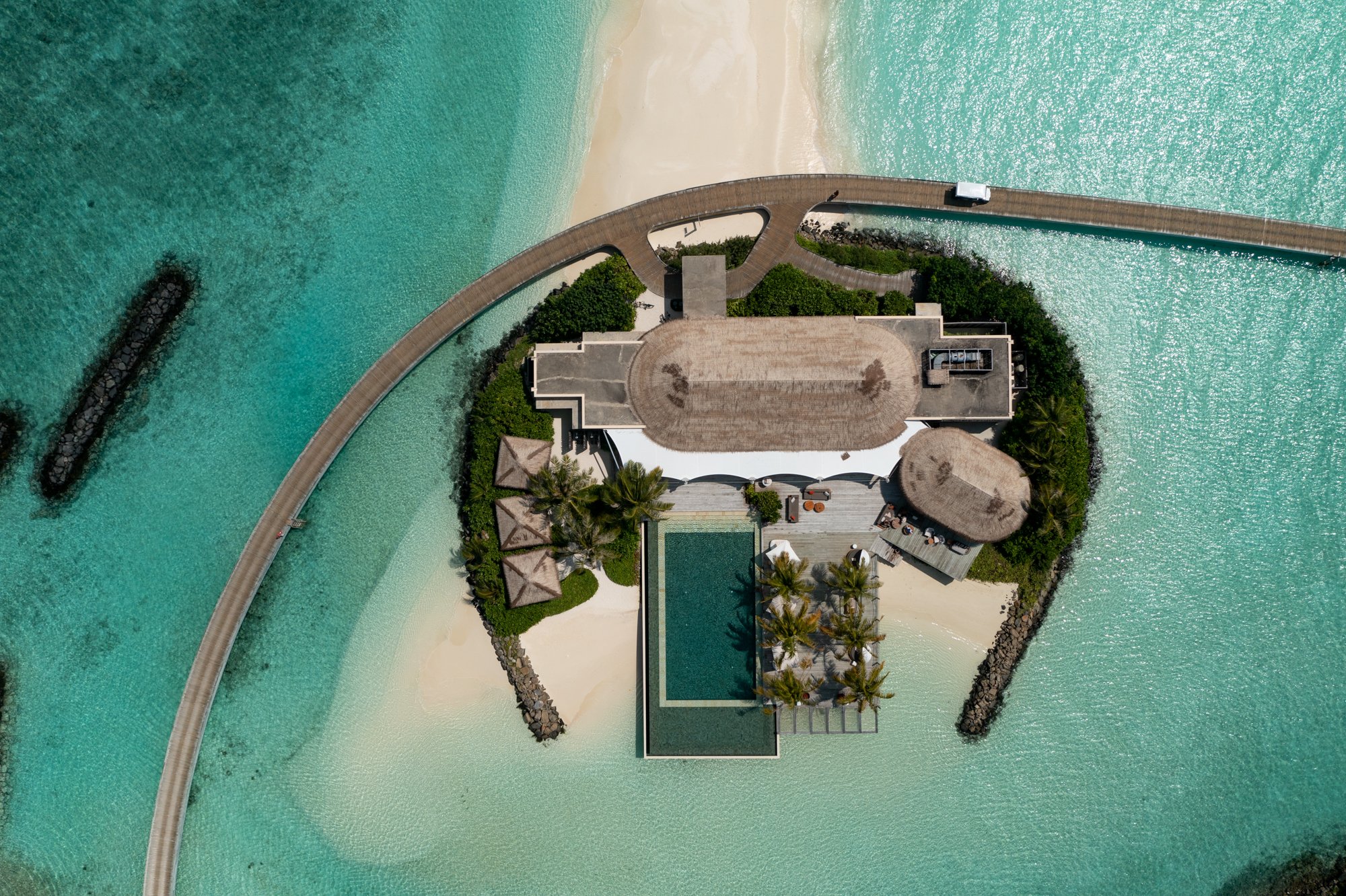
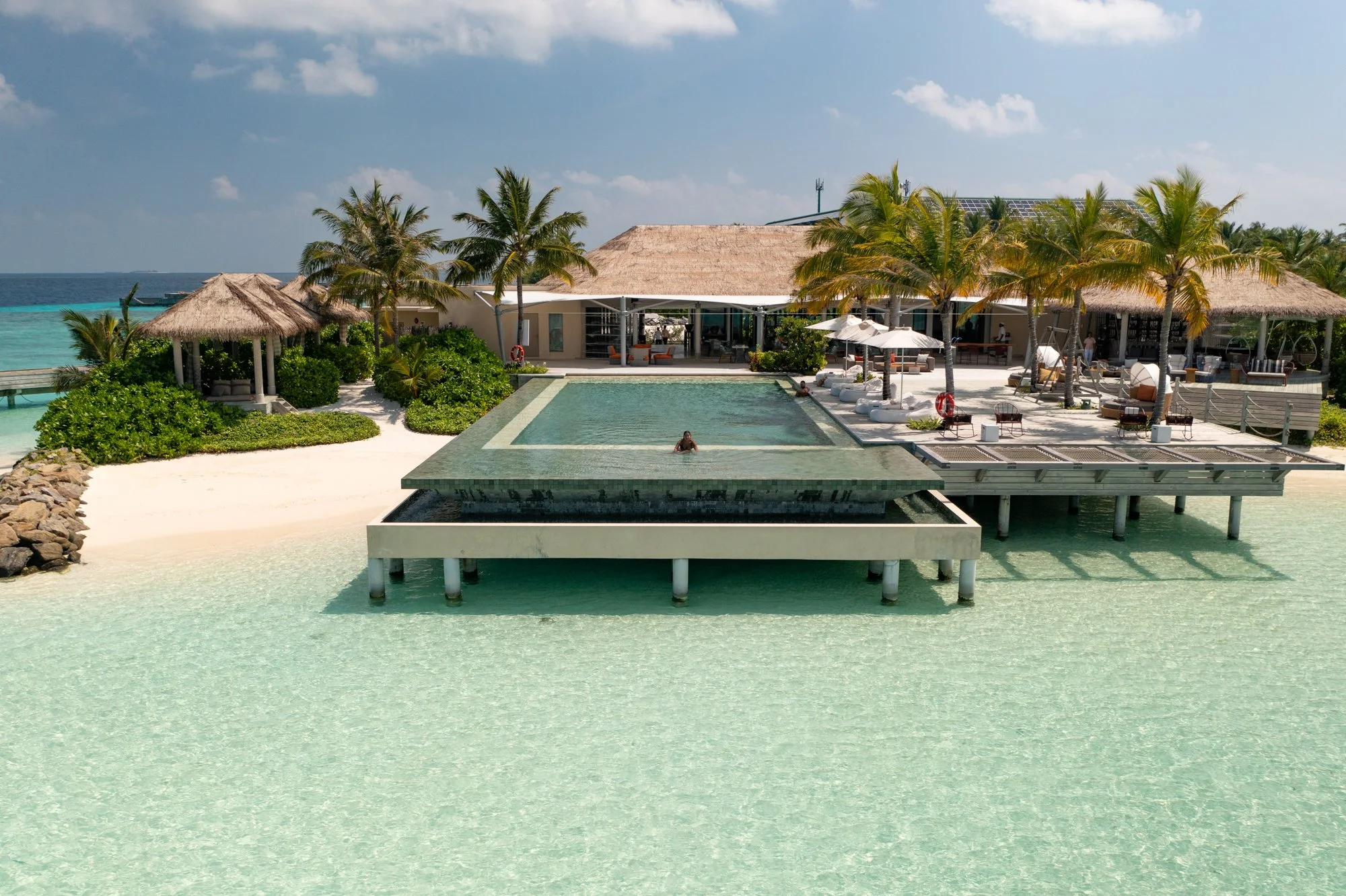
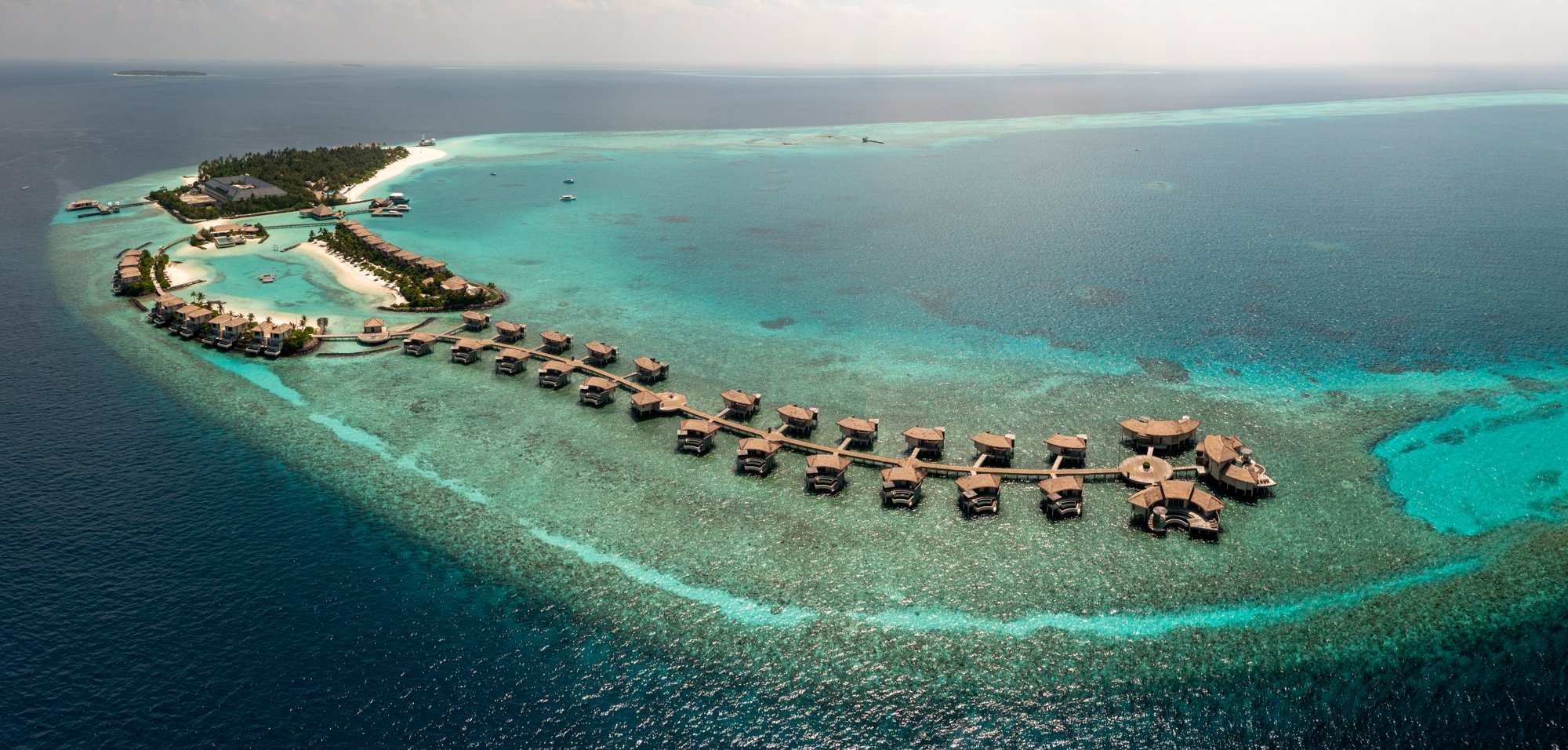
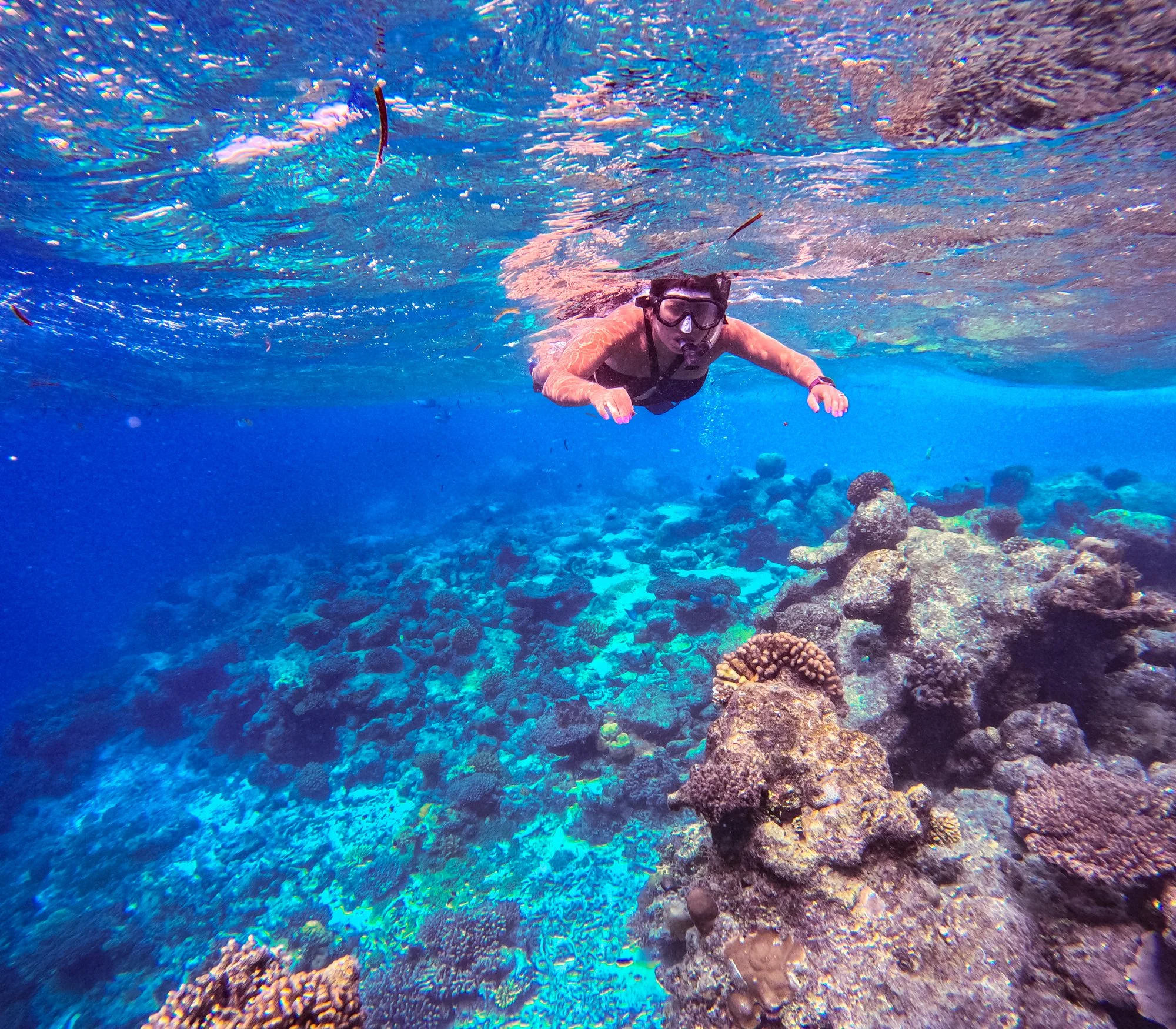
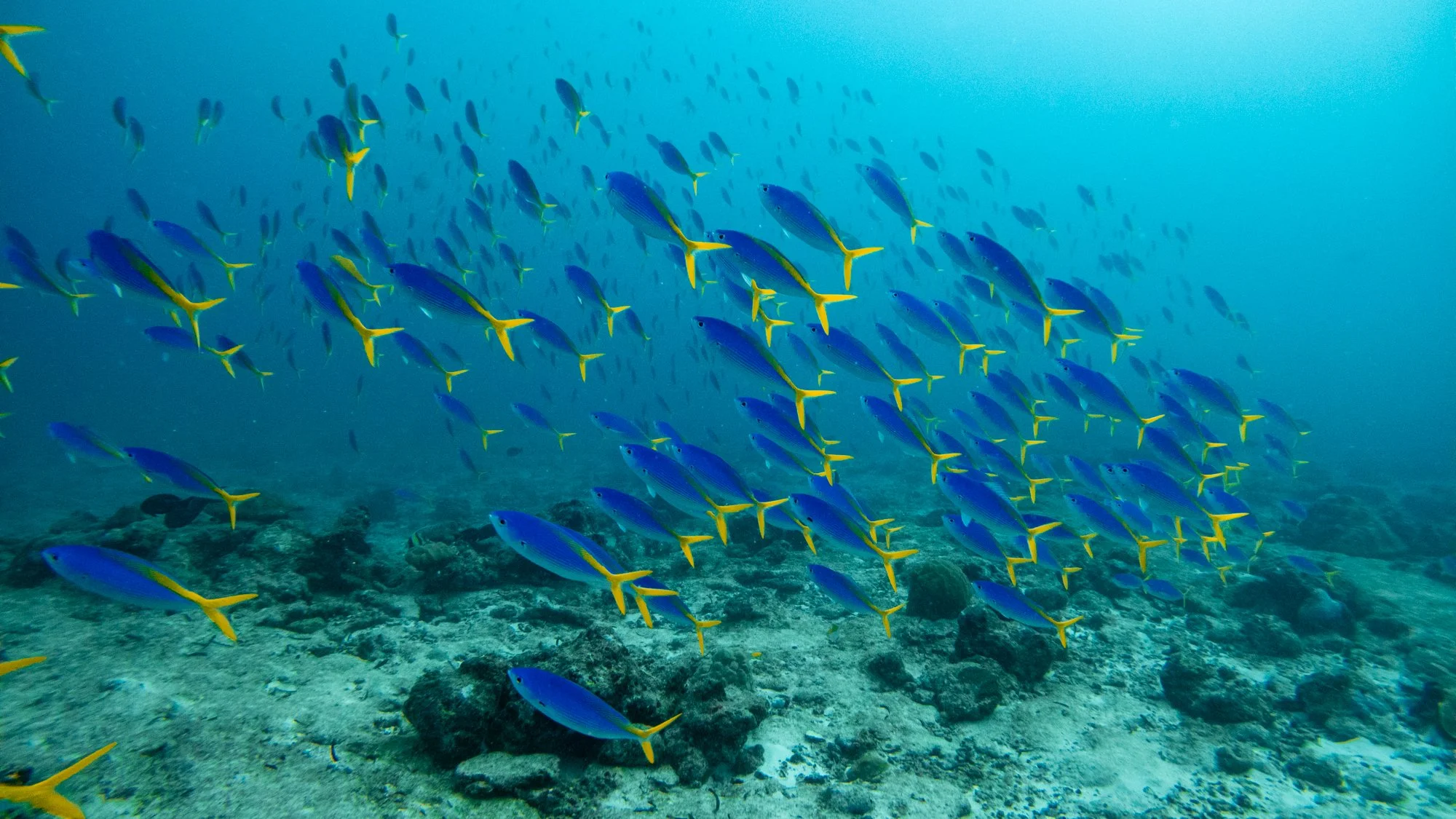
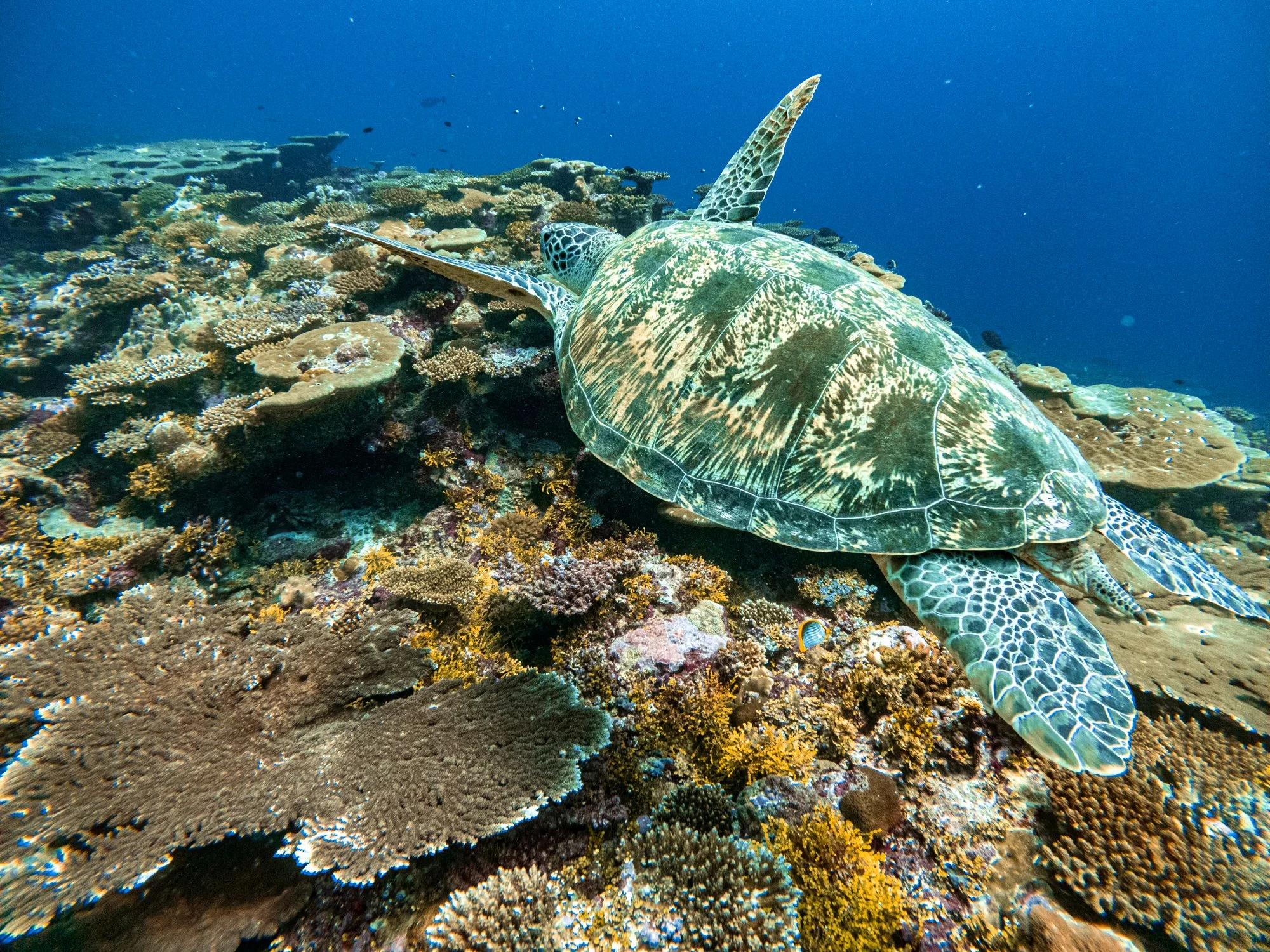
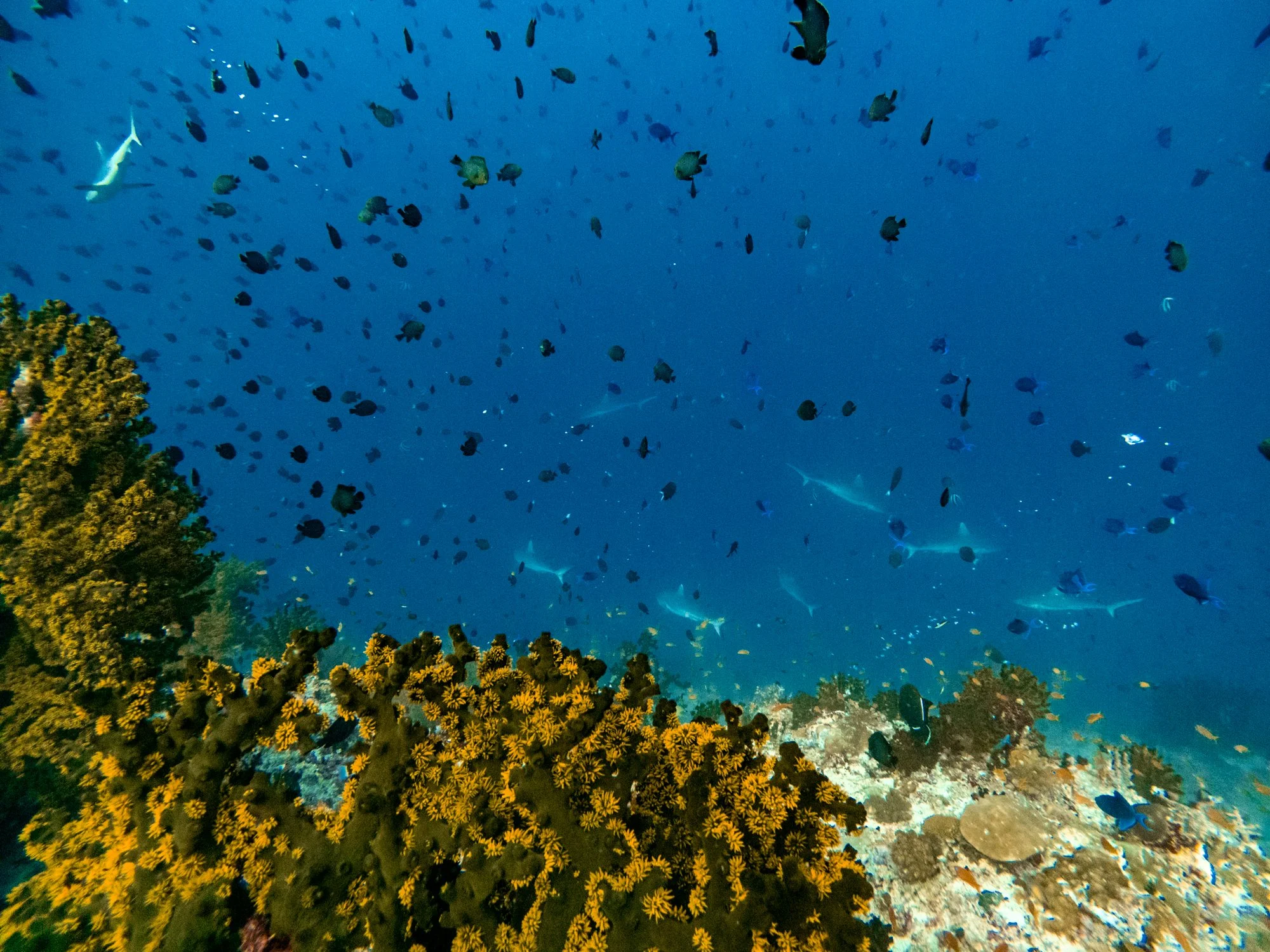
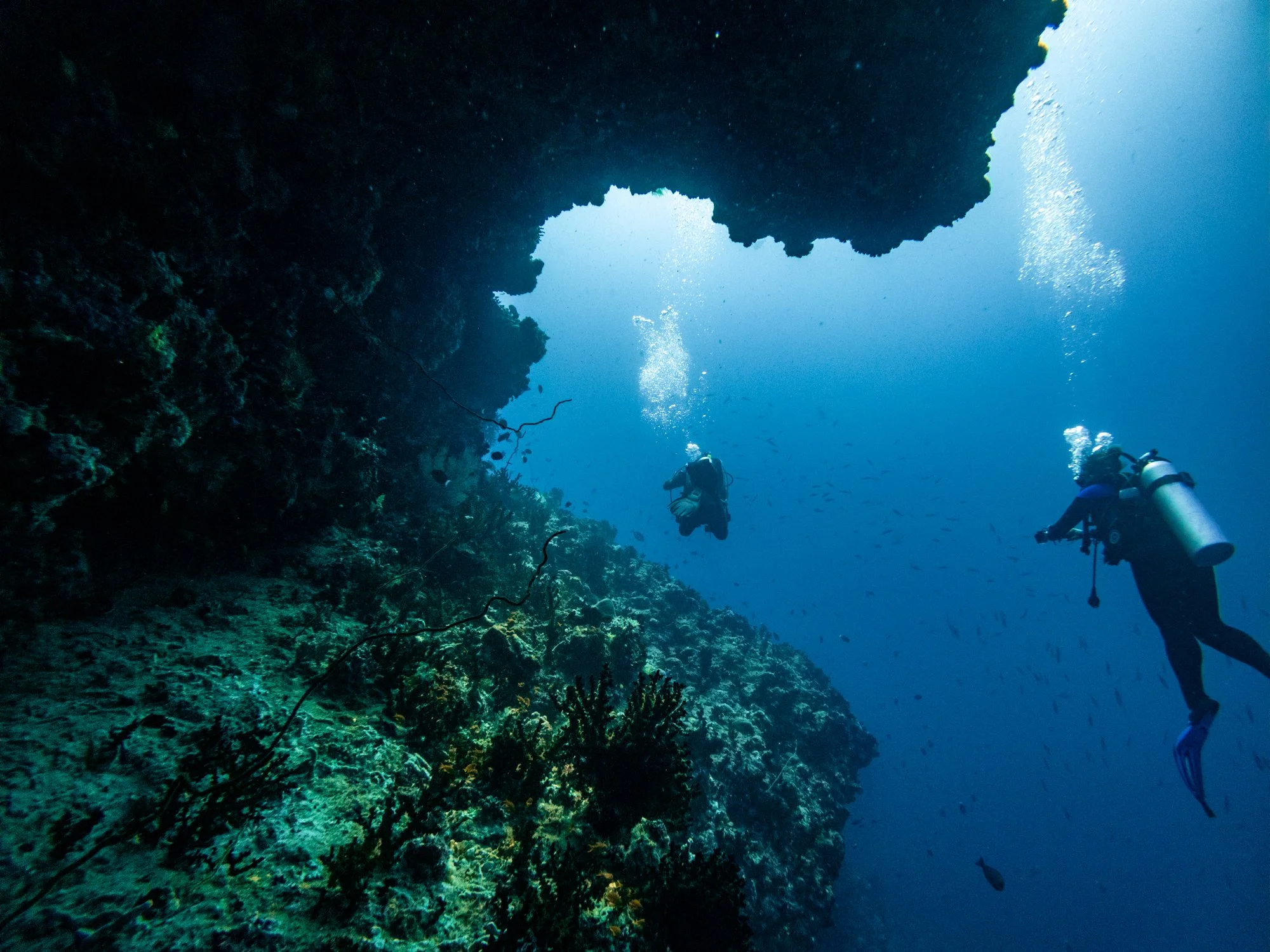
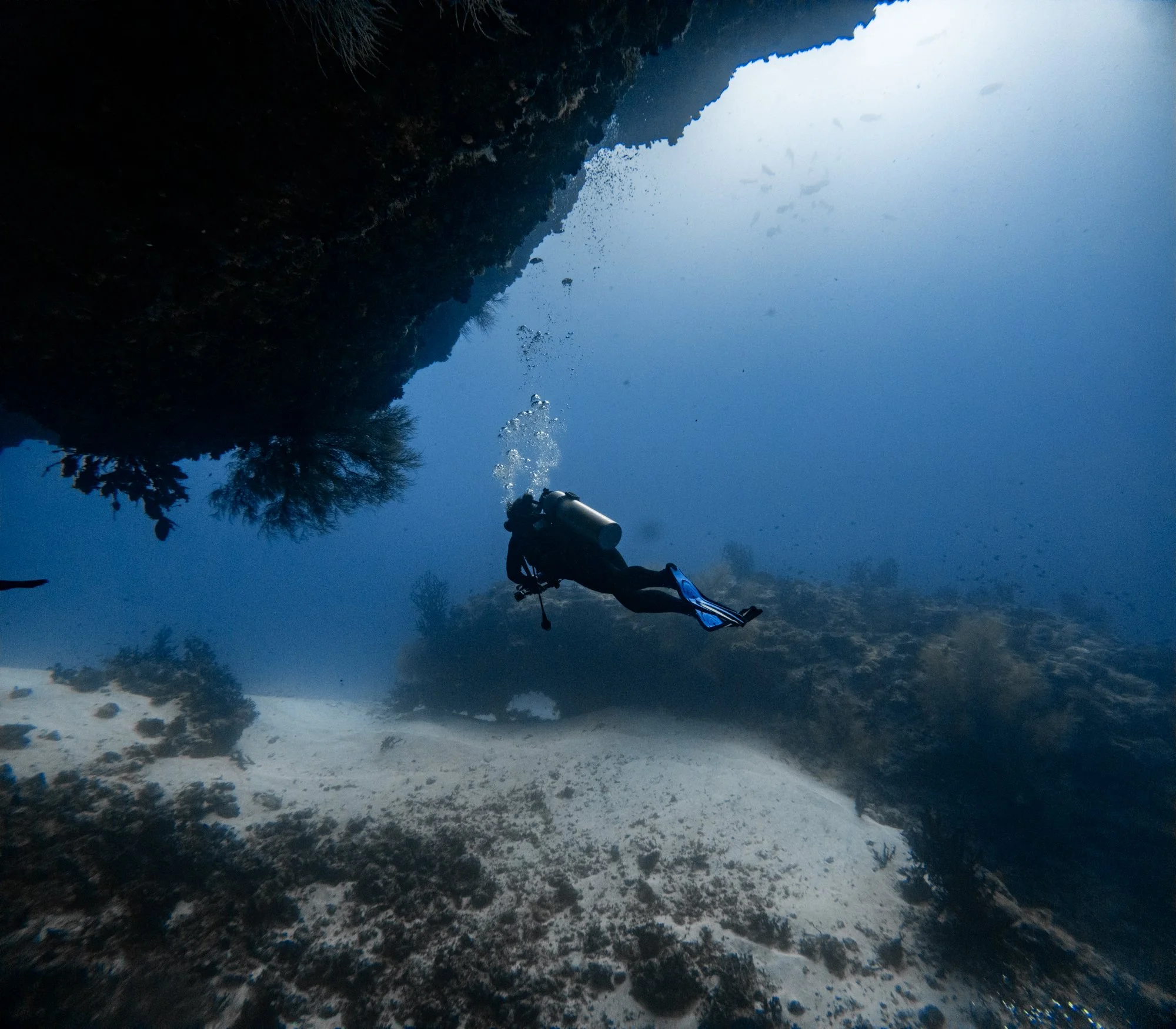
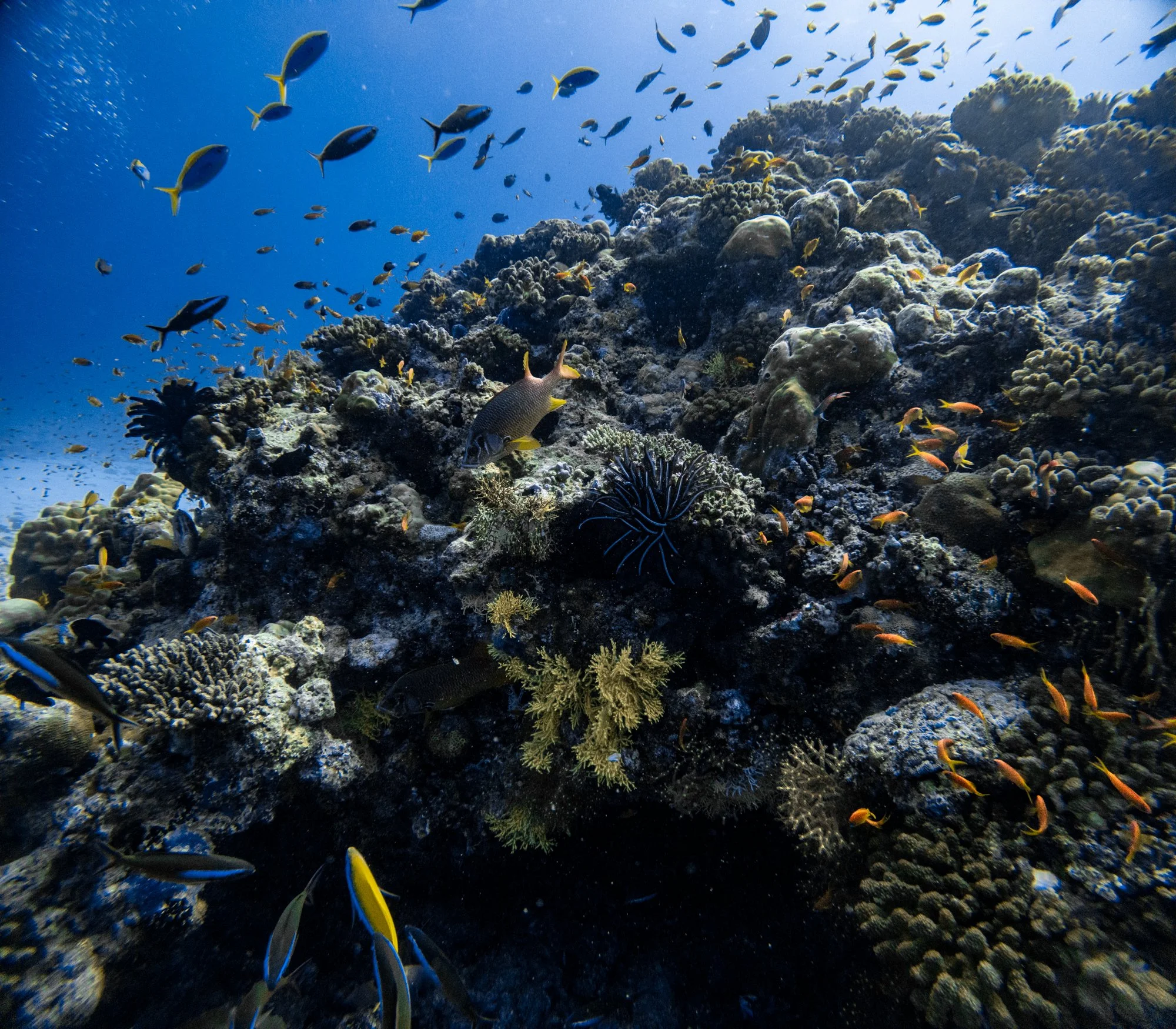
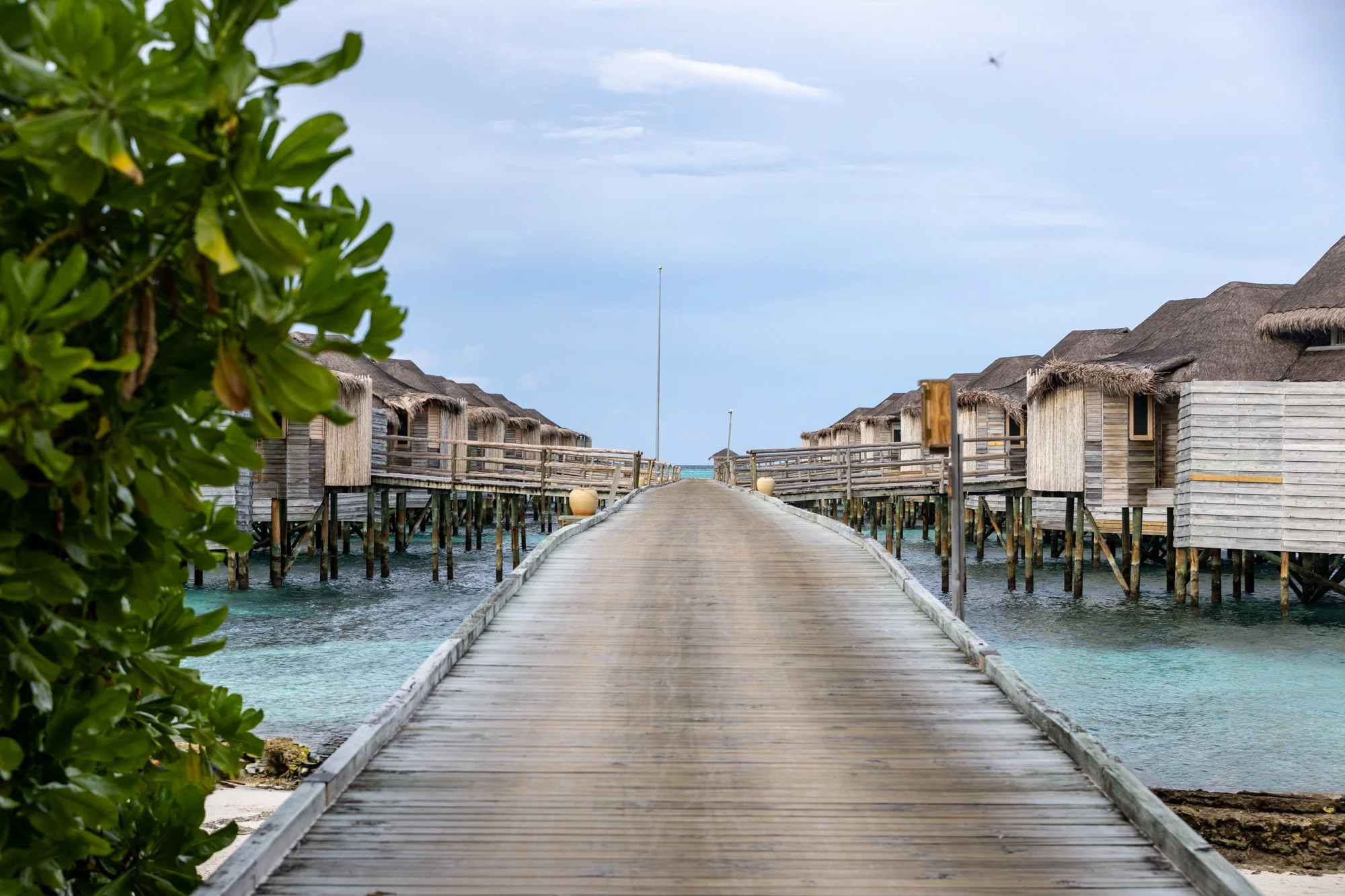
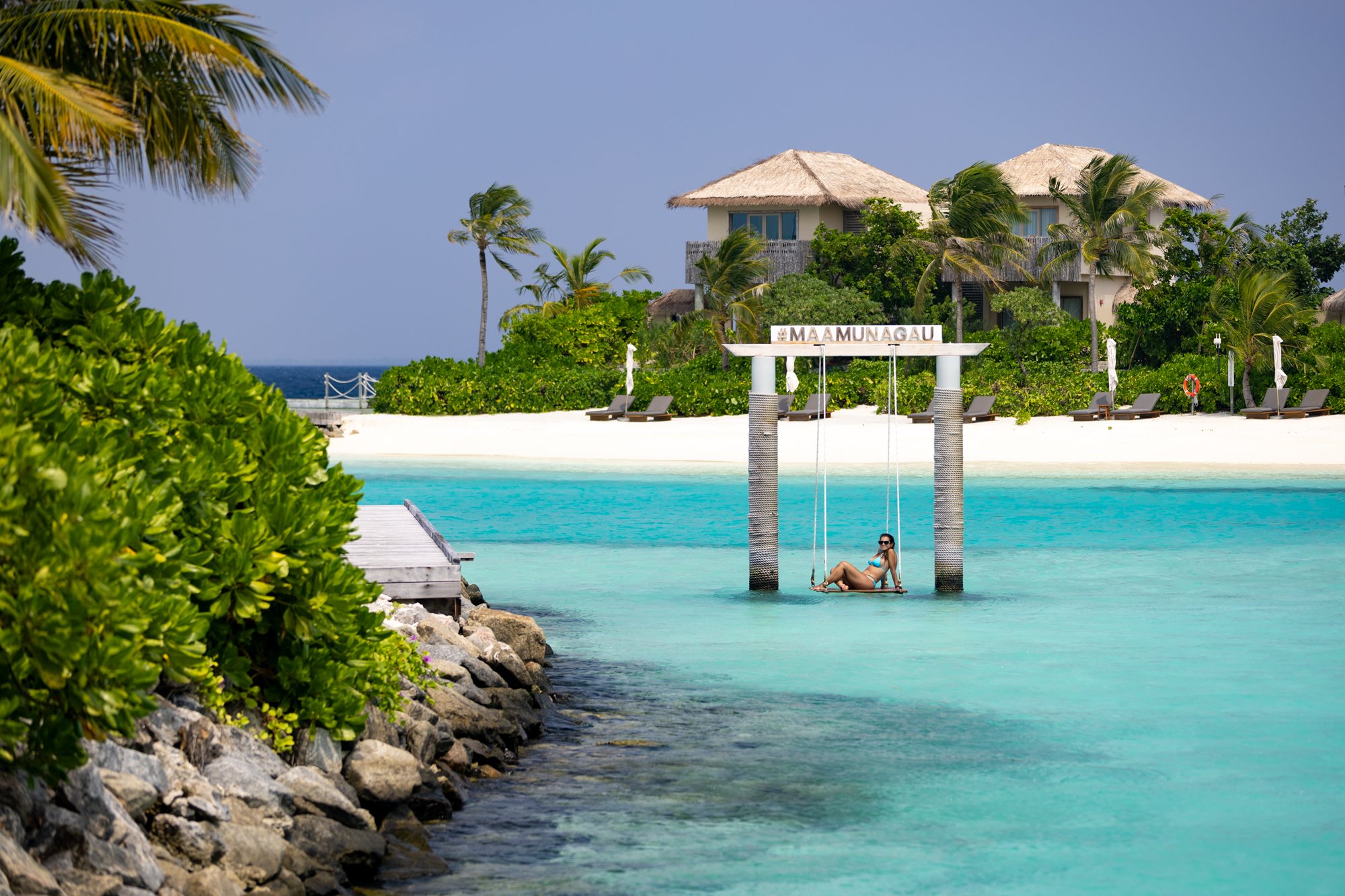
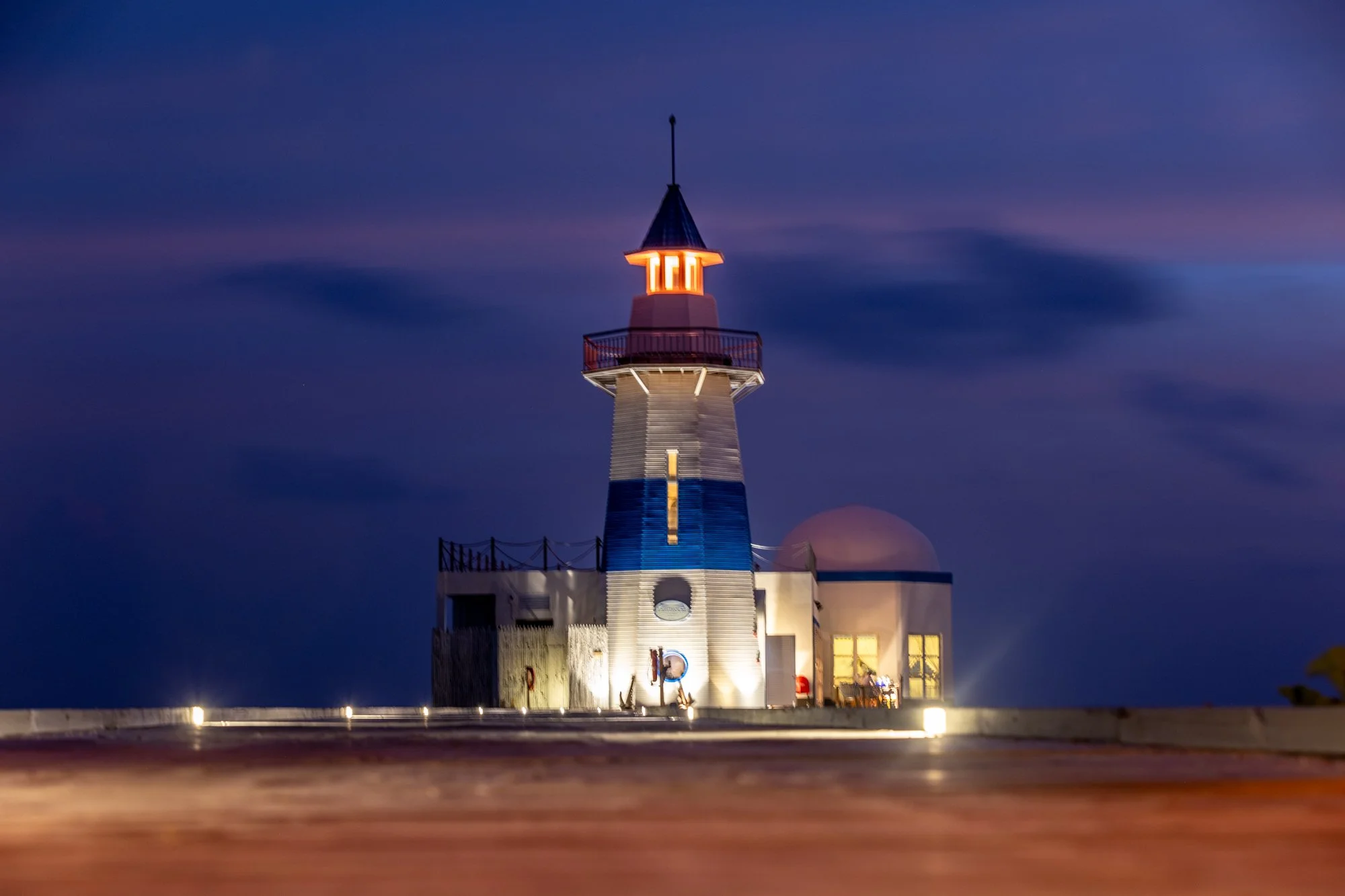
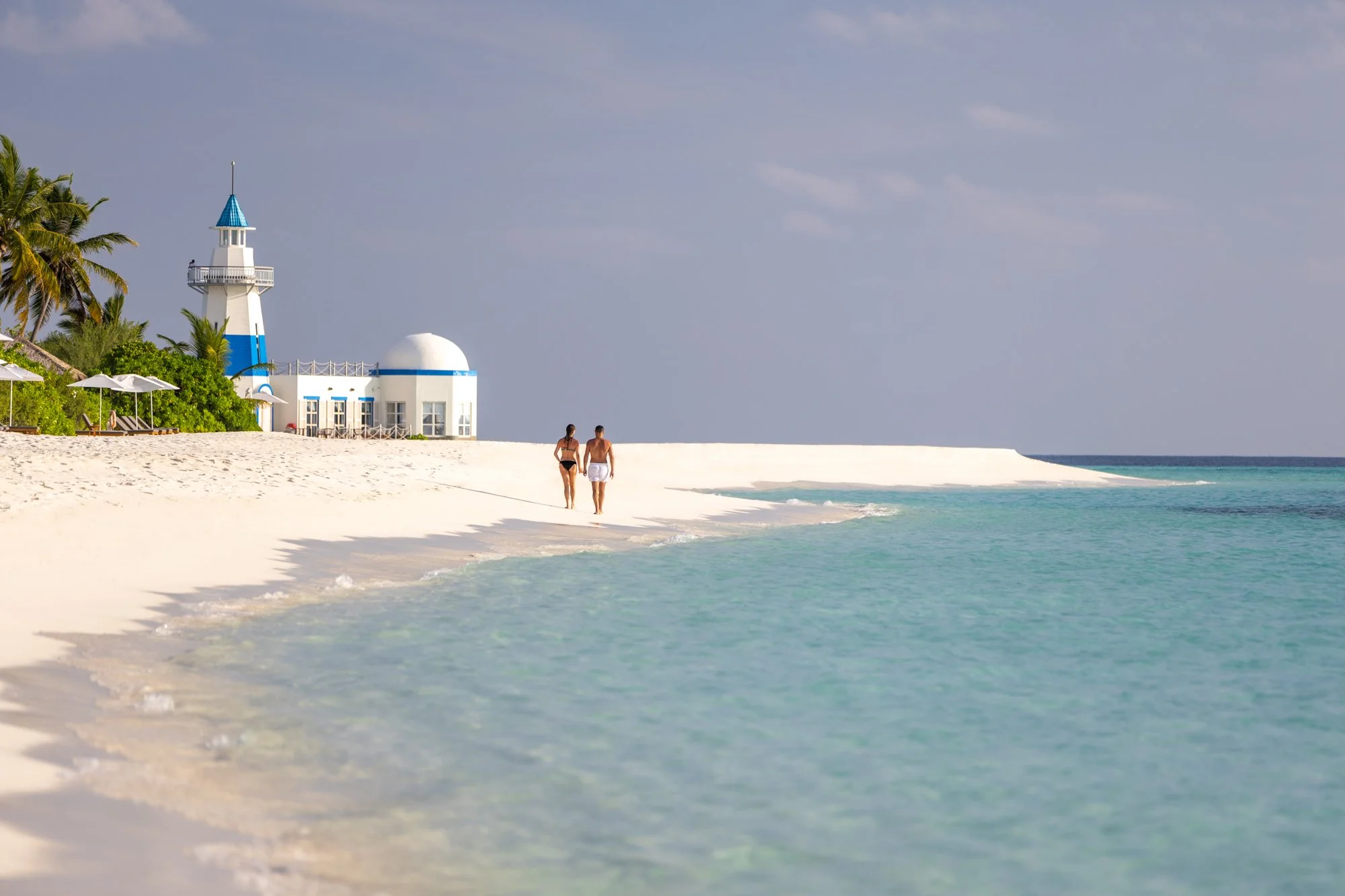
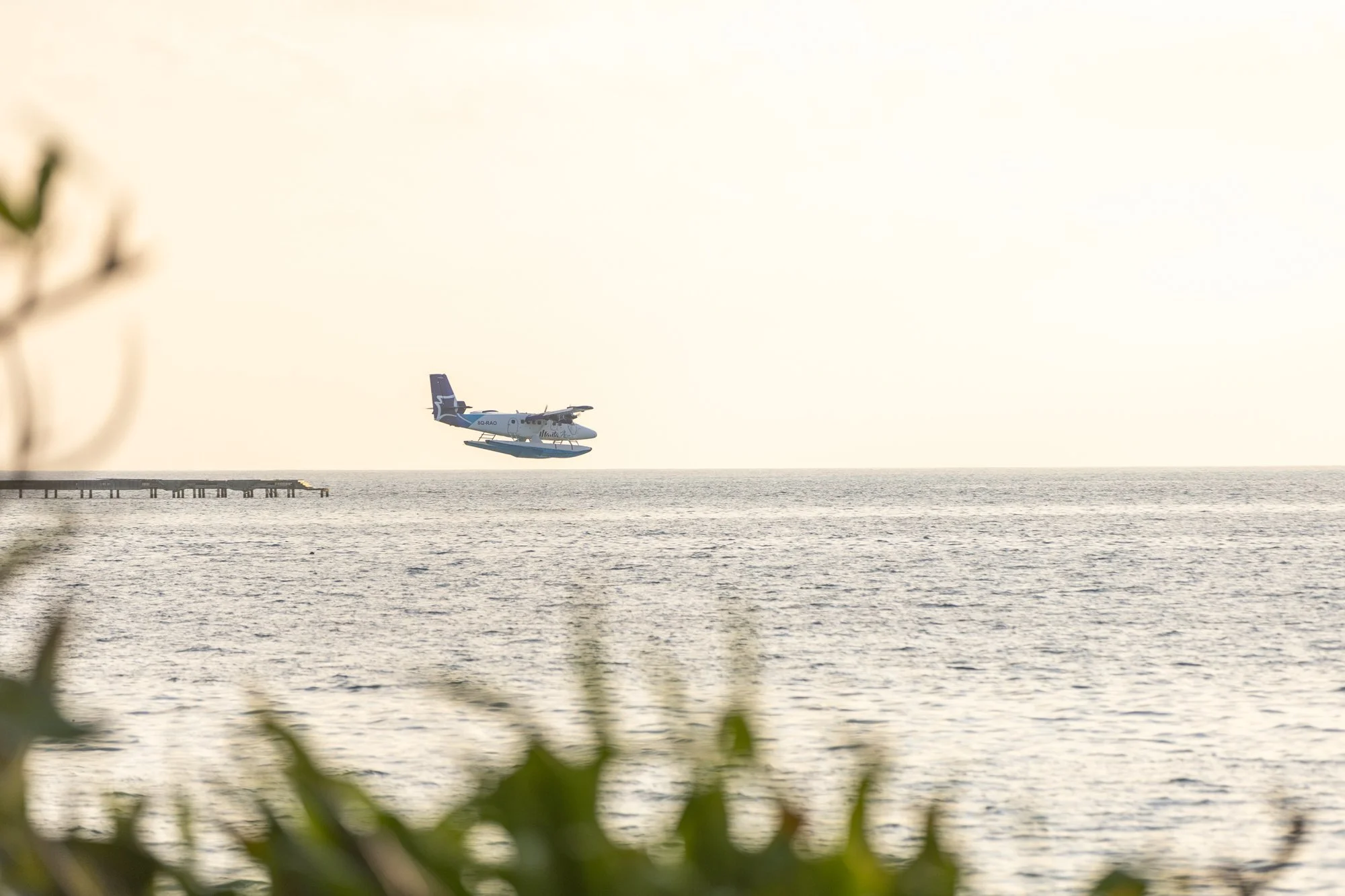
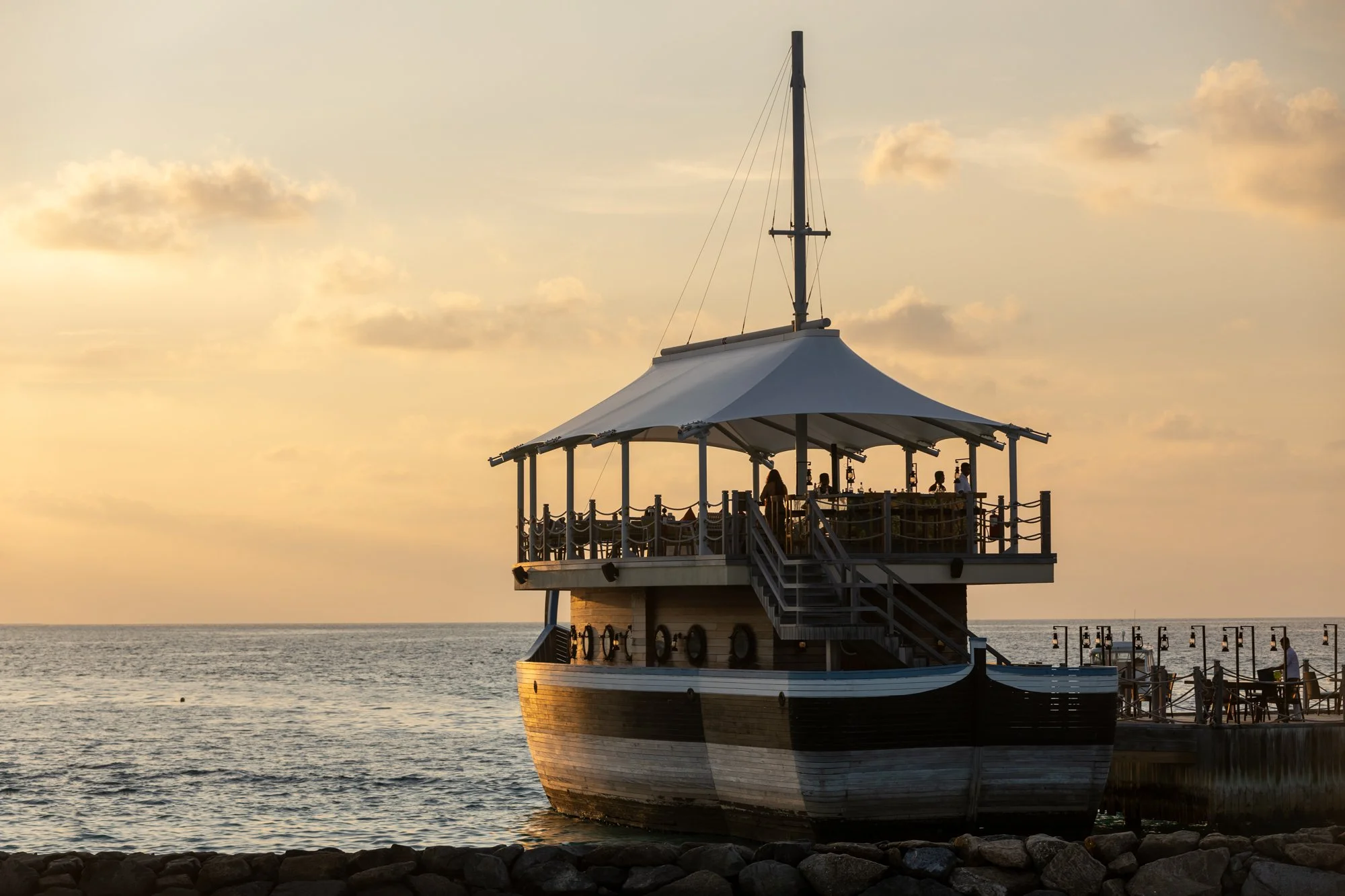
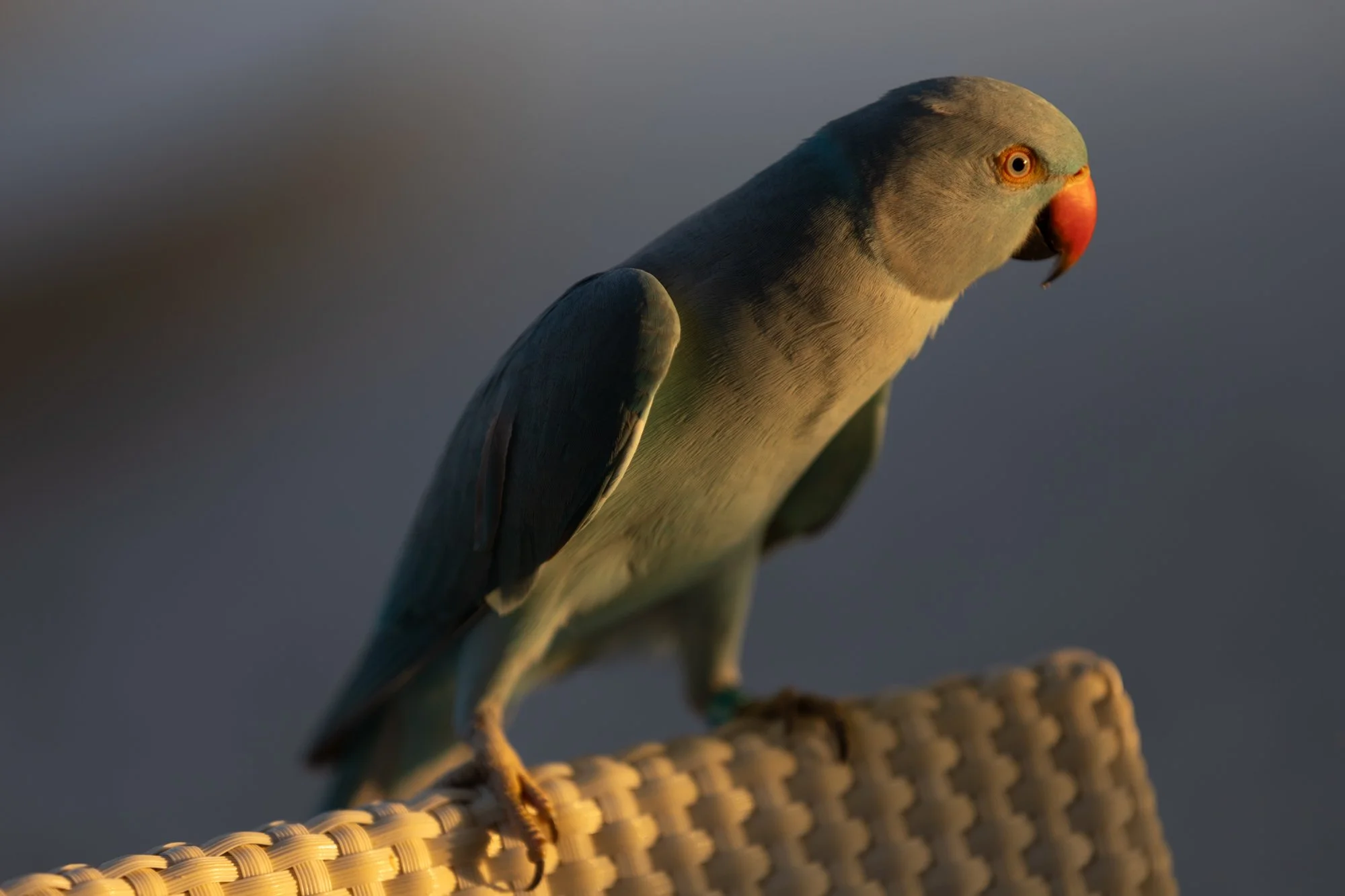

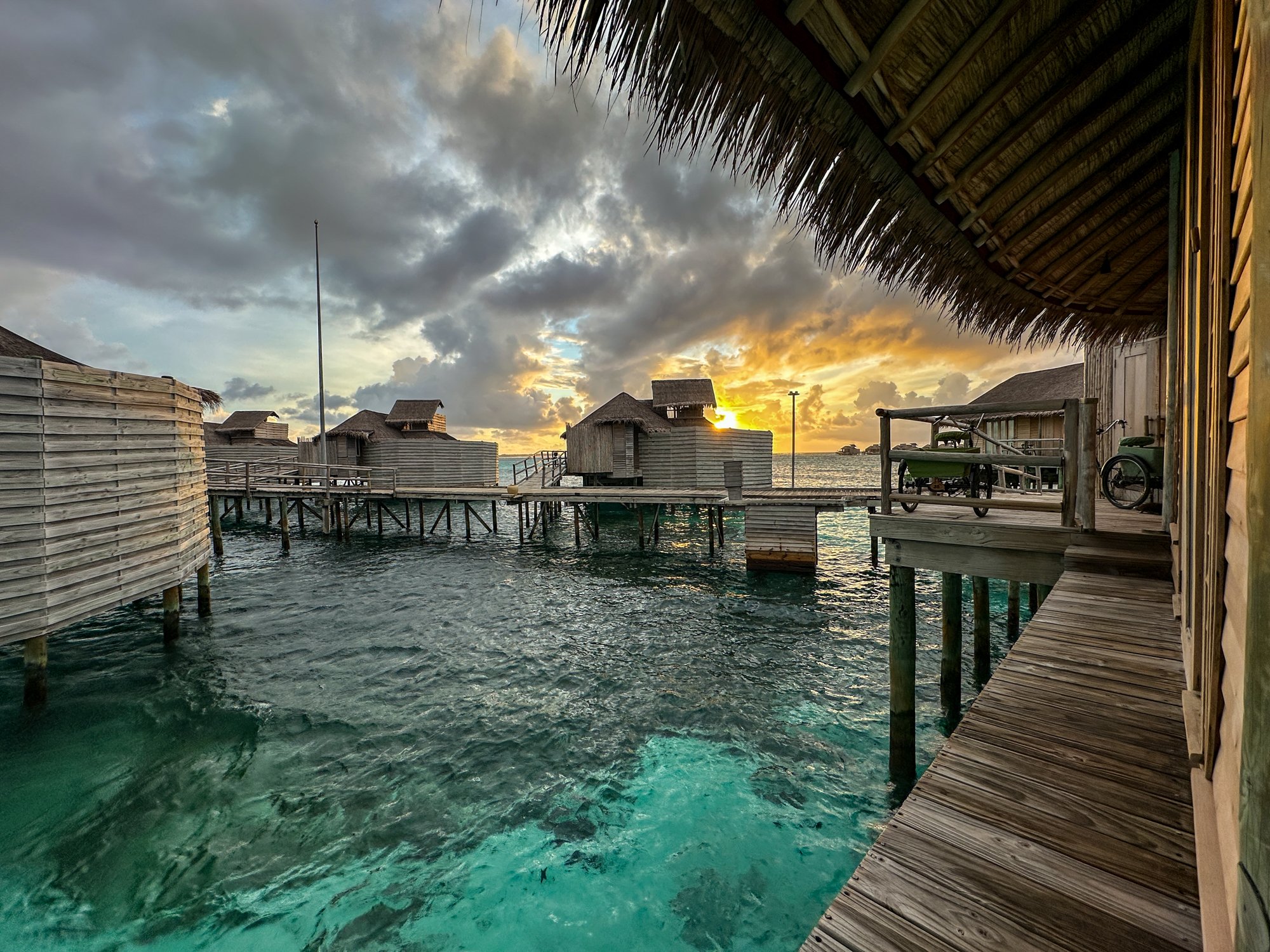
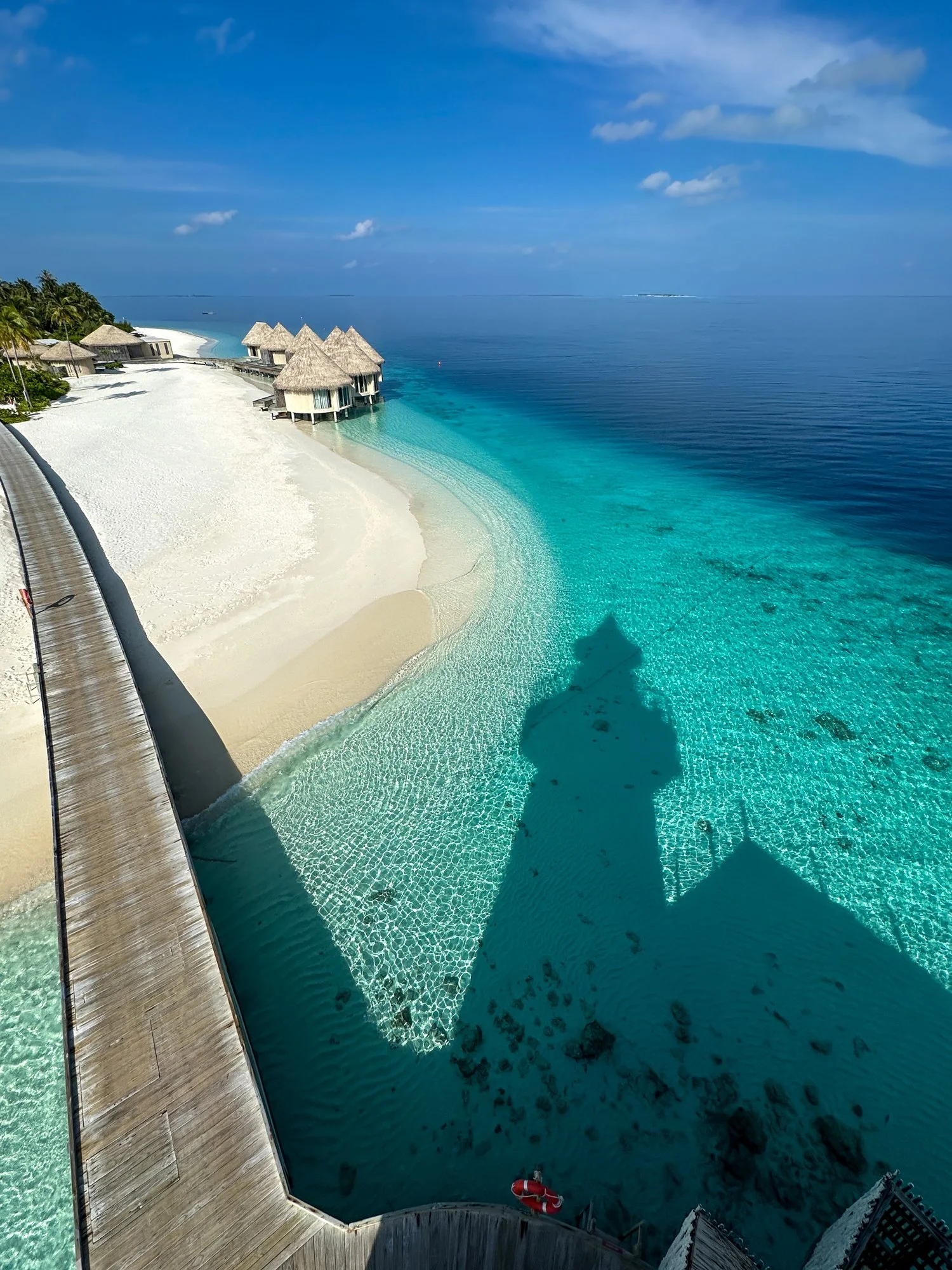
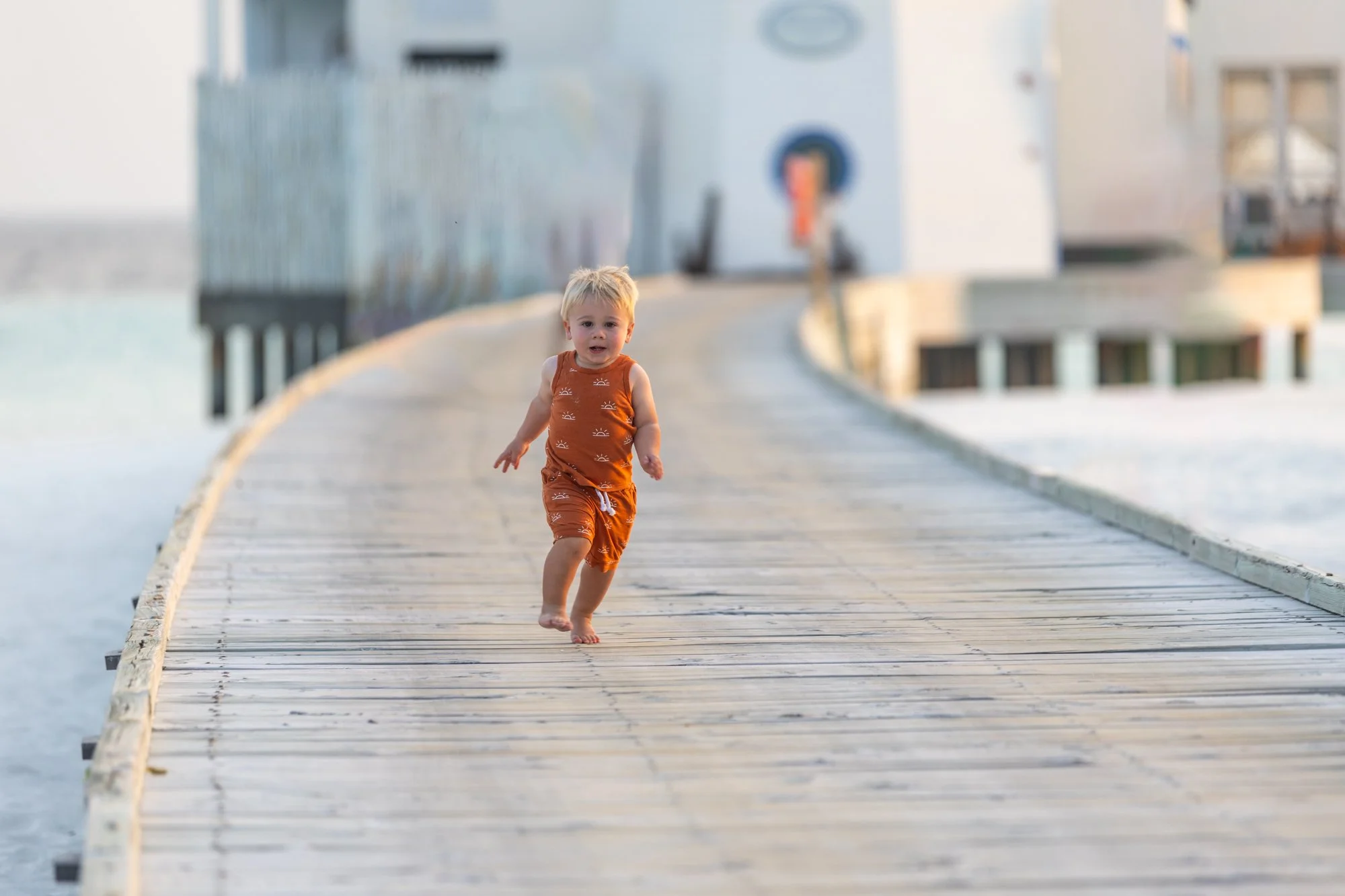
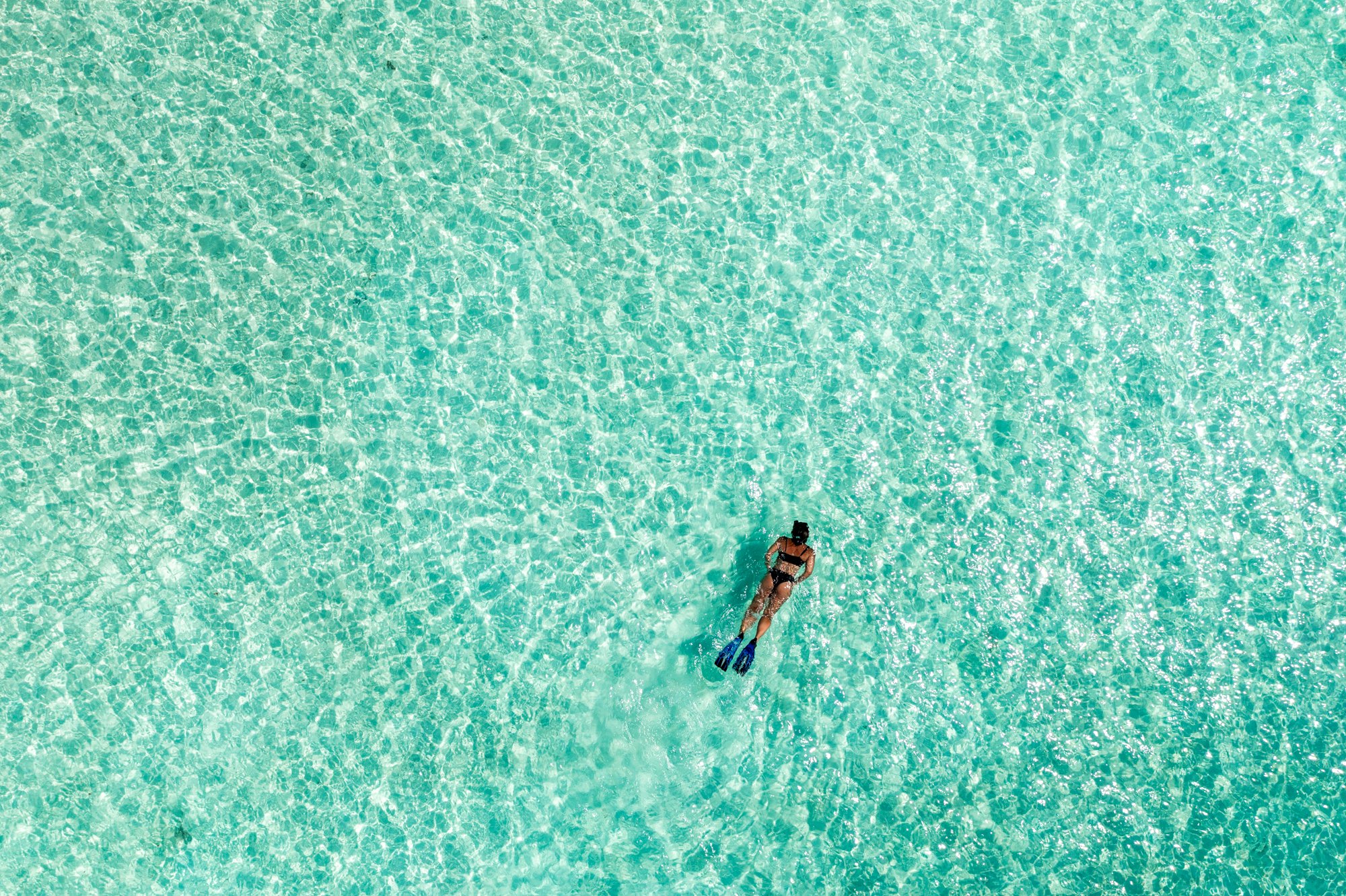
The Maldives is an island nation in the Indian Ocean known for its white-sand beaches, clear lagoons, coral reefs, overwater villas, and abundant marine life.
Some of the main places to visit in the Maldives include North Malé Atoll, which offers convenient access to resorts, diving areas, and the capital city of Malé. Ari Atoll is known for excellent diving and the possibility of encountering whale sharks and manta rays. Baa Atoll, a UNESCO Biosphere Reserve, is celebrated for its rich marine ecosystem and seasonal gatherings of manta rays.
Other notable destinations include Vaavu Atoll, which is popular for channel diving and encounters with reef sharks, and Addu Atoll in the far south, where visitors can explore reefs, local communities, and remnants of the country’s wartime history. Travelers can choose among private resort islands, locally inhabited islands, guesthouses, and liveaboard boats.
The best time to visit the Maldives is generally from November through April, when conditions are drier and sunnier. May through October is the wetter monsoon season, with more frequent rain, stronger winds, and often lower accommodation prices.
Crime on resort islands is relatively uncommon, but travelers should protect their belongings, follow water-safety guidance, and remain aware of changing ocean conditions. Local laws and customs should be respected, particularly on inhabited islands, where modest clothing is expected and alcohol is prohibited outside licensed resort areas.
The Maldives is generally considered an expensive destination, especially at luxury resorts. Seaplane and speedboat transfers, meals, and activities can add considerably to the cost. Staying in guesthouses on locally inhabited islands can provide a more affordable and culturally immersive alternative.
Maldivian culture is shaped by the country’s Islamic faith and its historic connections with South Asia, East Africa, and the Arab world. Traditional music such as bodu beru, fishing, boatbuilding, and foods based on tuna, coconut, and rice remain important parts of island life.
Maldives Travel Blogs
