How to Spend a Cruise Day in Bonaire: Reefs, 1,000 Steps & Salt Pans
Bonaire was the middle port on our eight-day Southern Caribbean cruise aboard Carnival Horizon in 2022. The ship was scheduled to be in port from 8:00 a.m. until 10:00 p.m., giving us a long day to see more than just the waterfront in Kralendijk.
We booked Carnival's Best of Bonaire excursion. It proved to be a good introduction to the island because it combined time on the water with several of Bonaire's best-known landmarks: the coastline around 1,000 Steps, the salt pans and the small slave huts that remain from the island's salt-production era.
Trip note: This article describes our experience in June 2022. Cruise excursions, routes and schedules can change, so check the current description before booking.
Arriving in Kralendijk
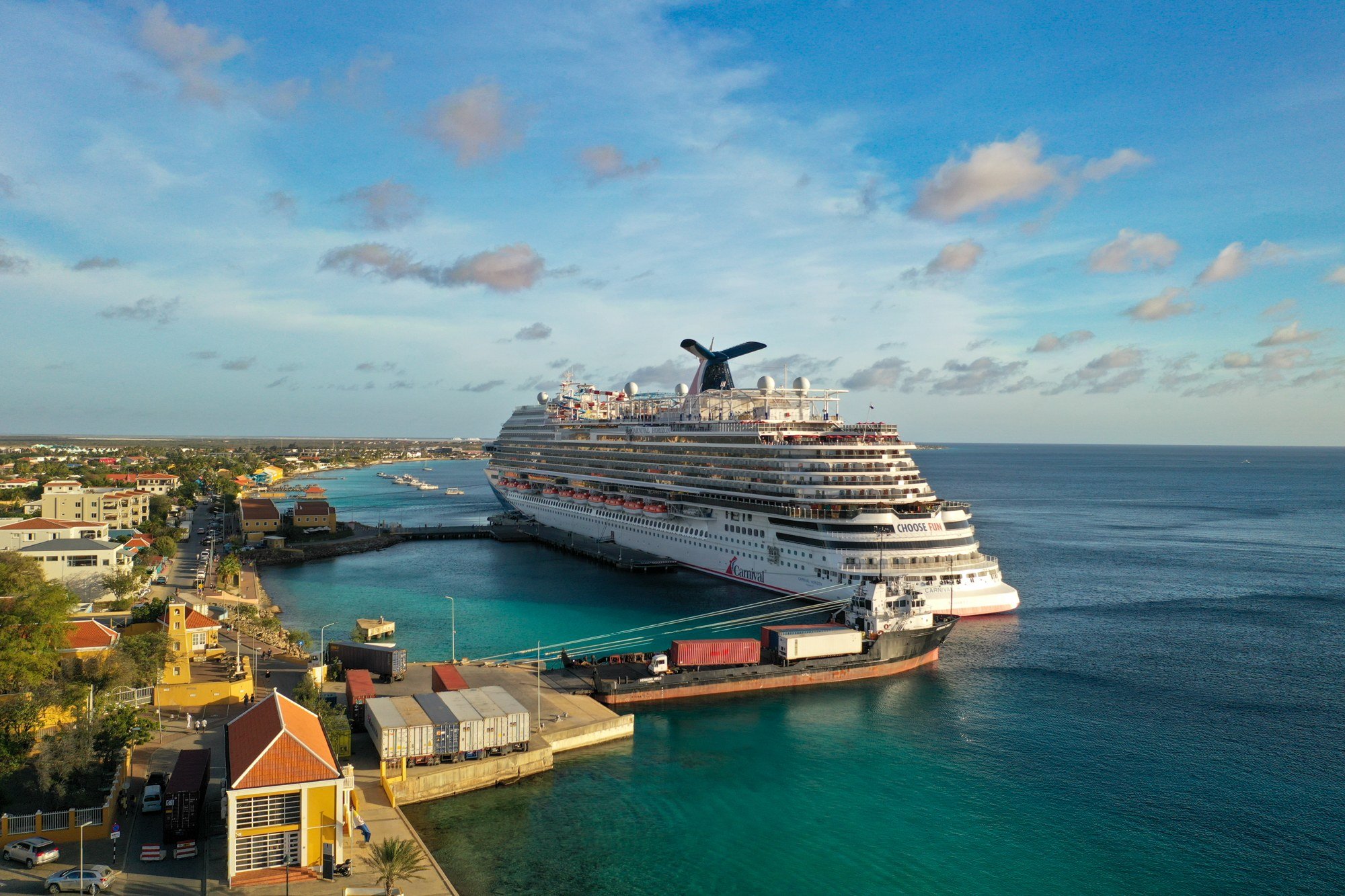
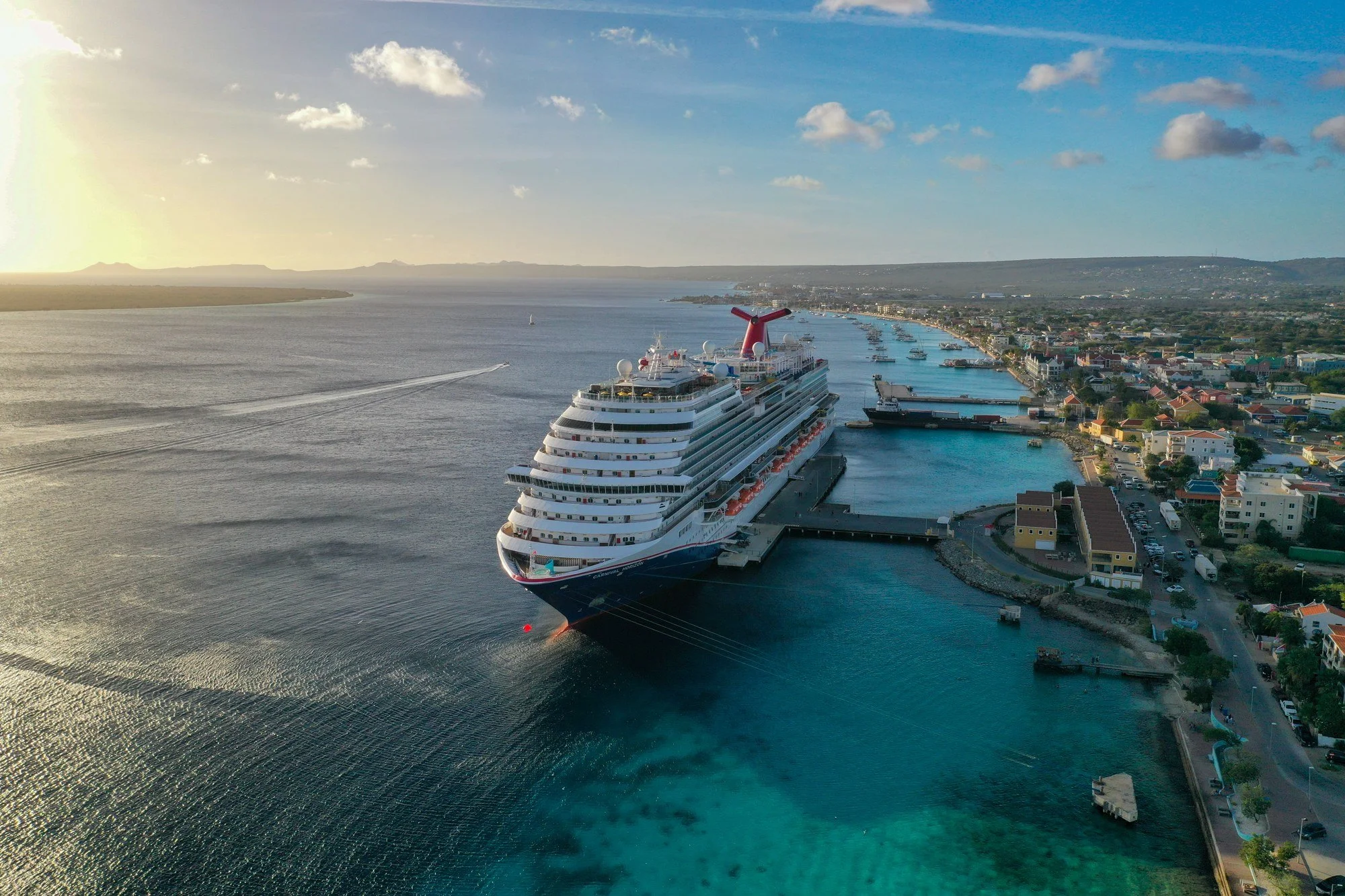
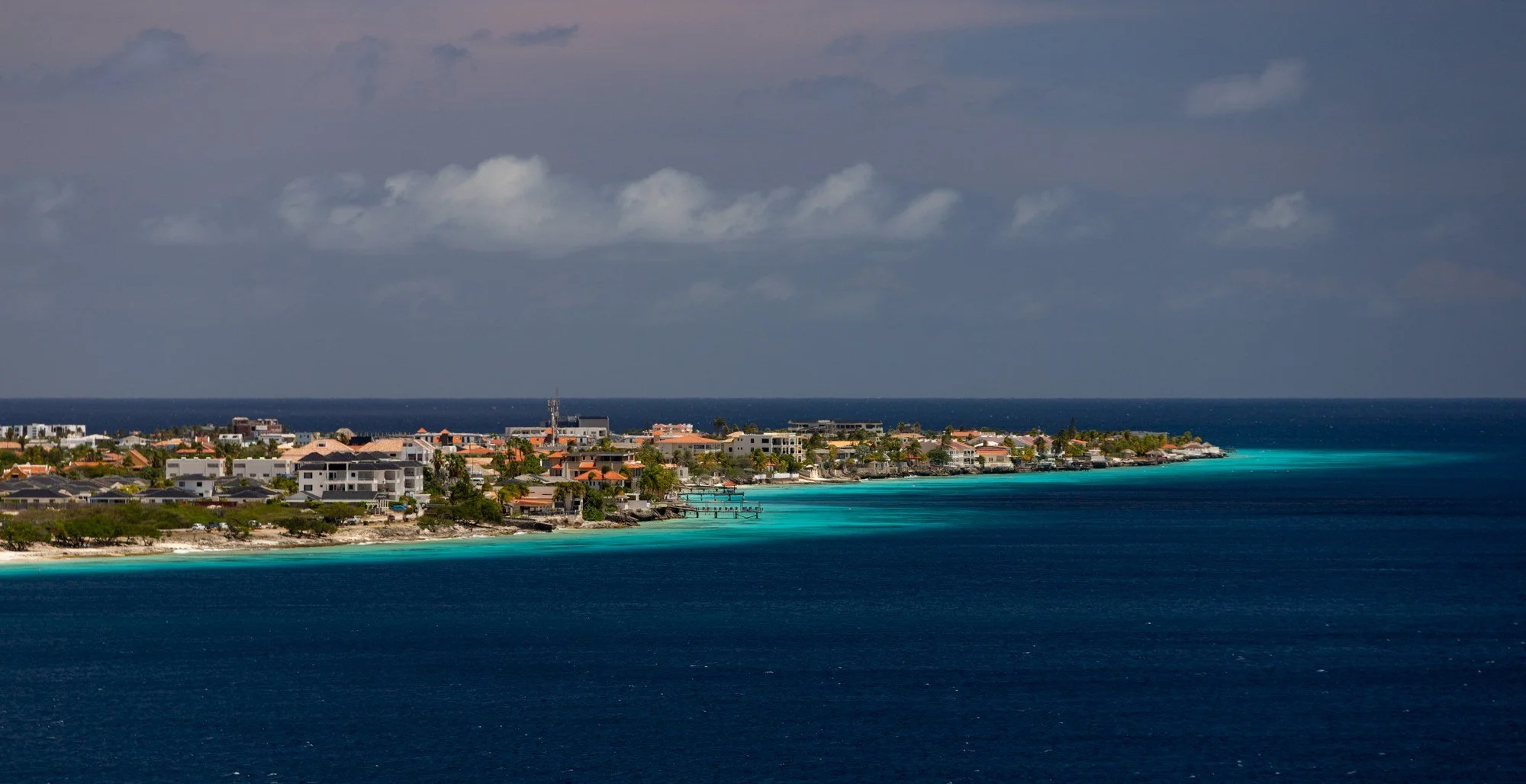
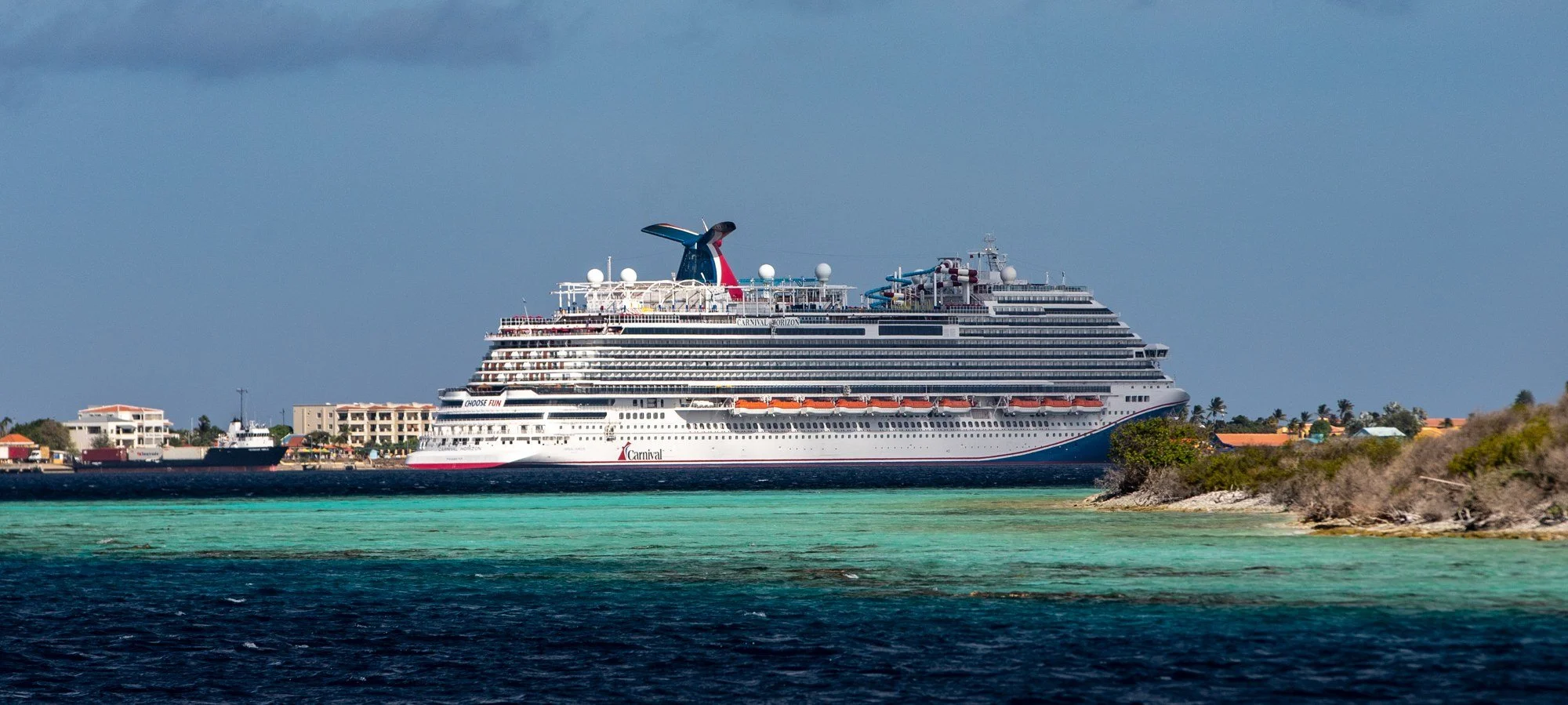
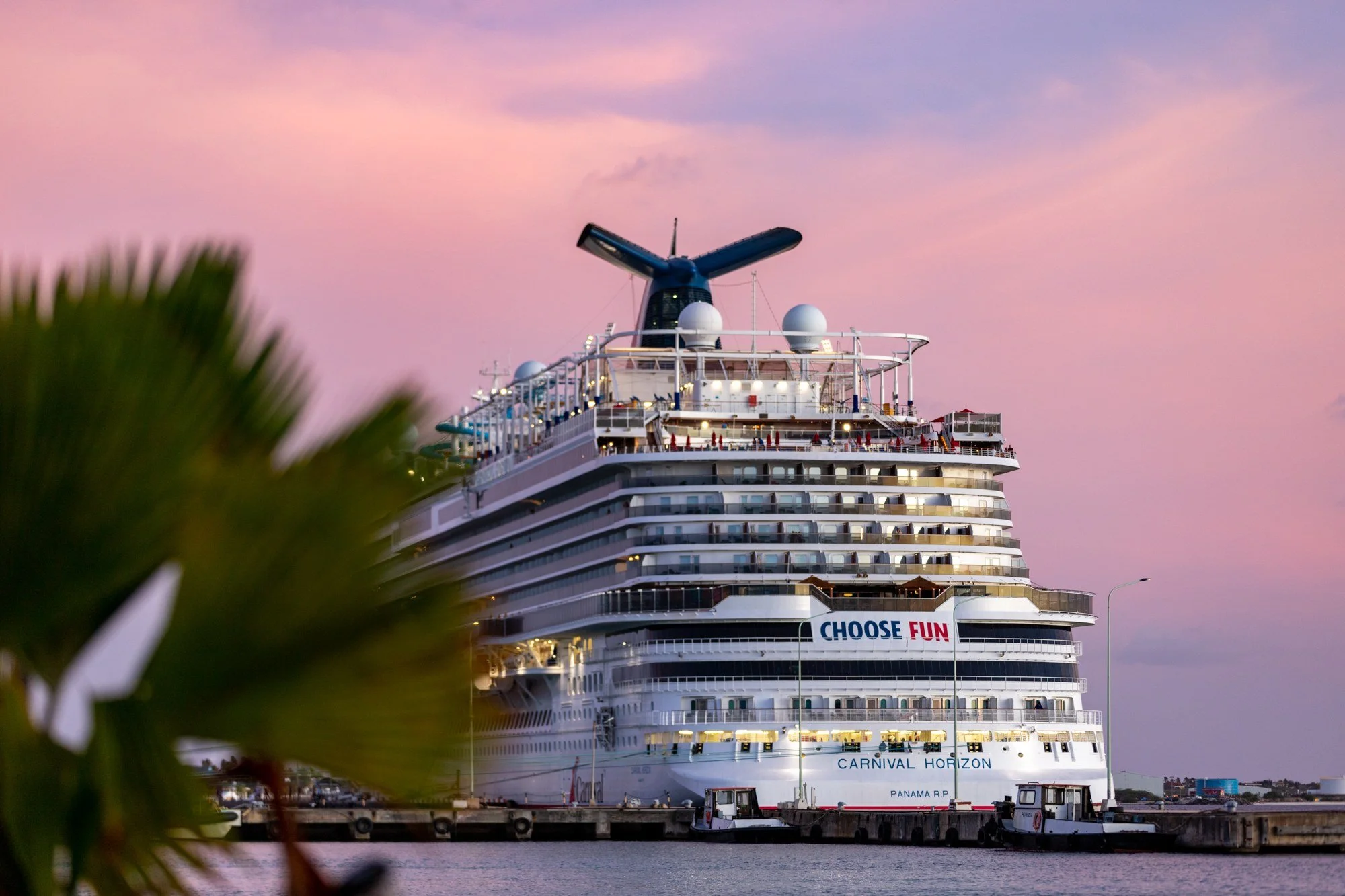
The first views of Bonaire from the ship immediately showed why the island appeals to divers and snorkelers. Kralendijk sits beside bright blue water, with a low, dry landscape extending along the coast. From above, Carnival Horizon looked enormous beside the compact waterfront.
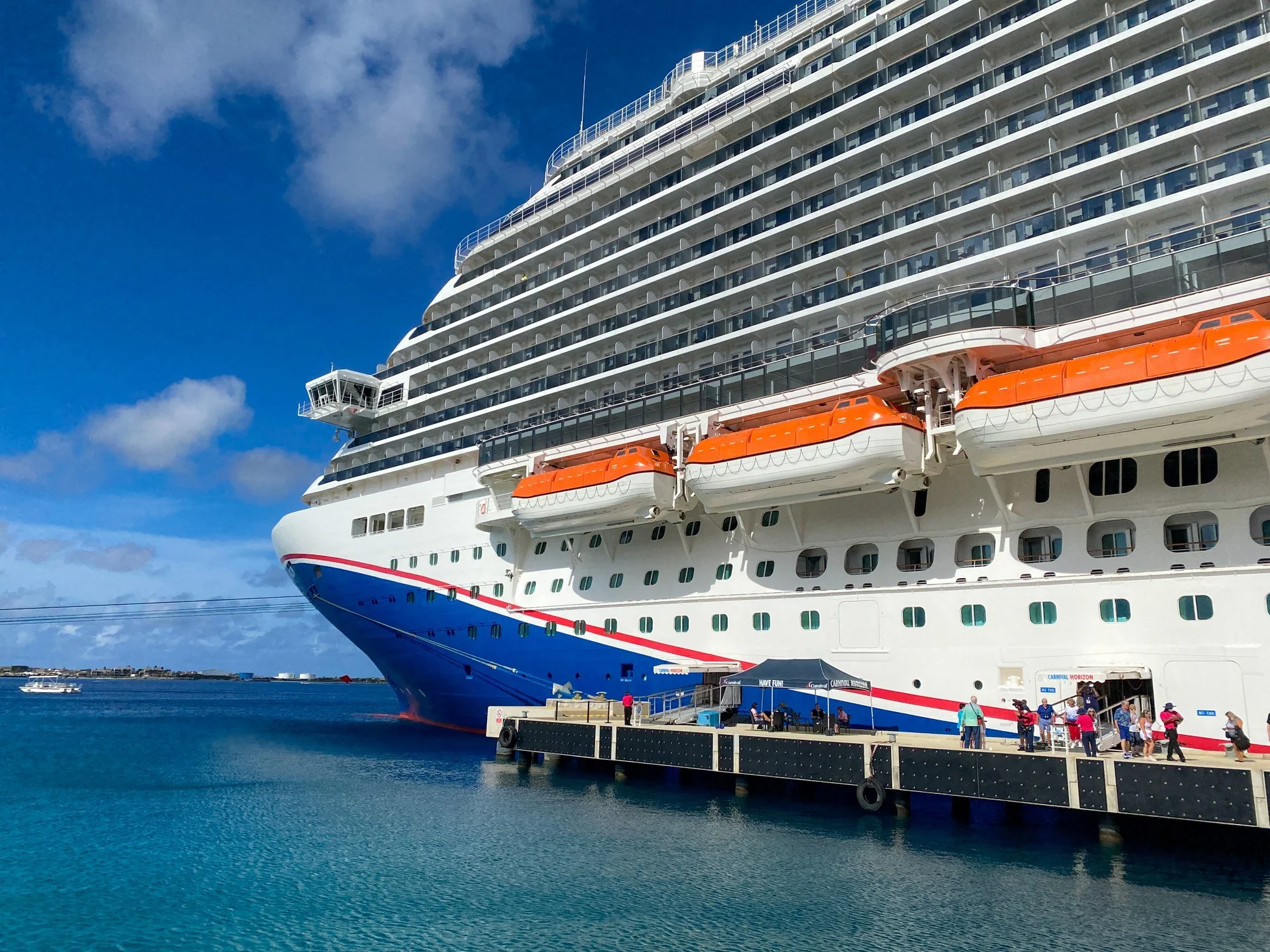
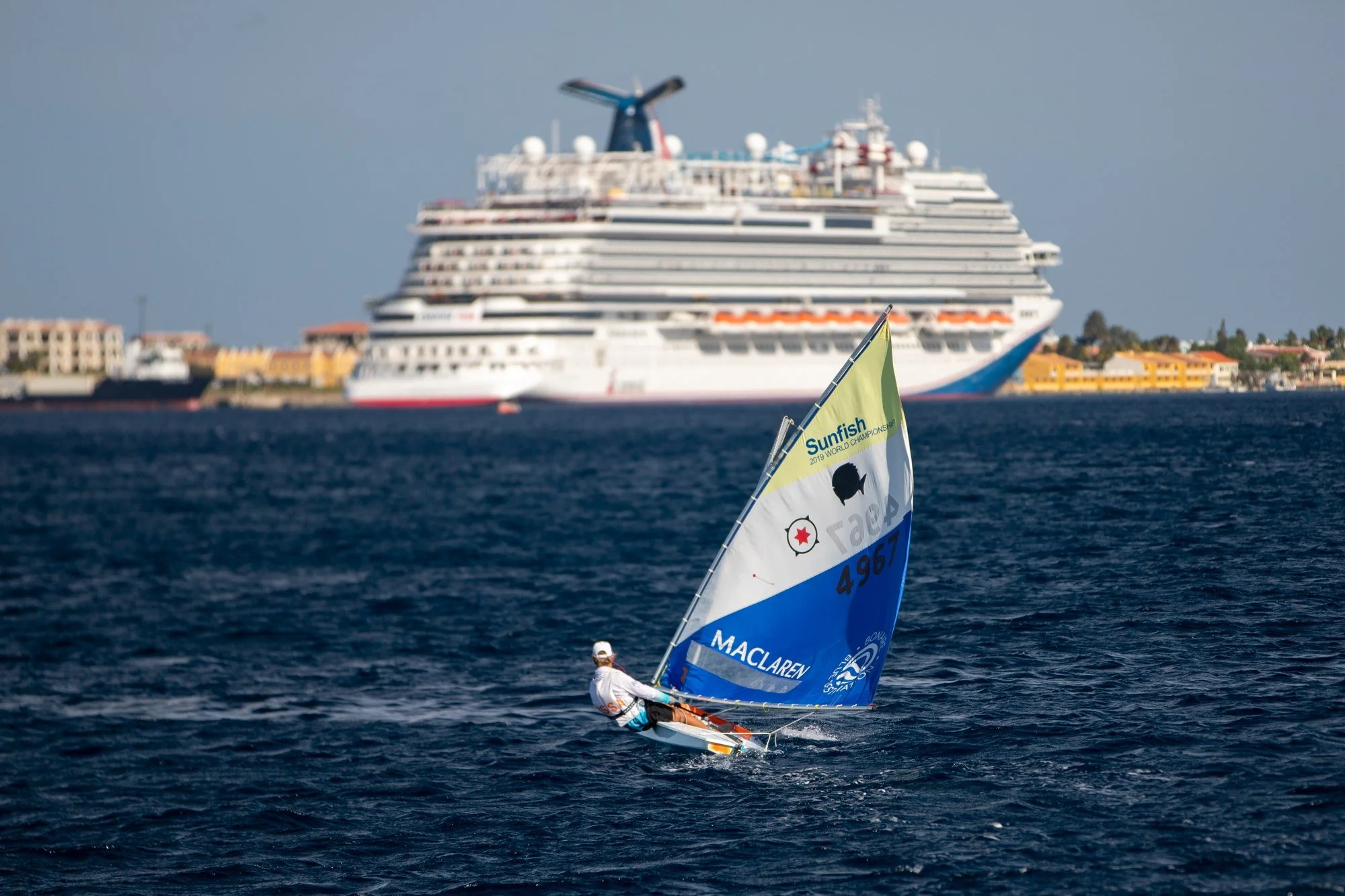
Carnival Horizon in port at Bonaire
This aerial video shows Carnival Horizon docked in Kralendijk and provides a wider look at the coastline surrounding the port.
Our excursion made it possible to see several sides of Bonaire in one day without arranging separate transportation and activities. That convenience is especially useful on a cruise stop, when returning to the ship on time matters as much as seeing the island.
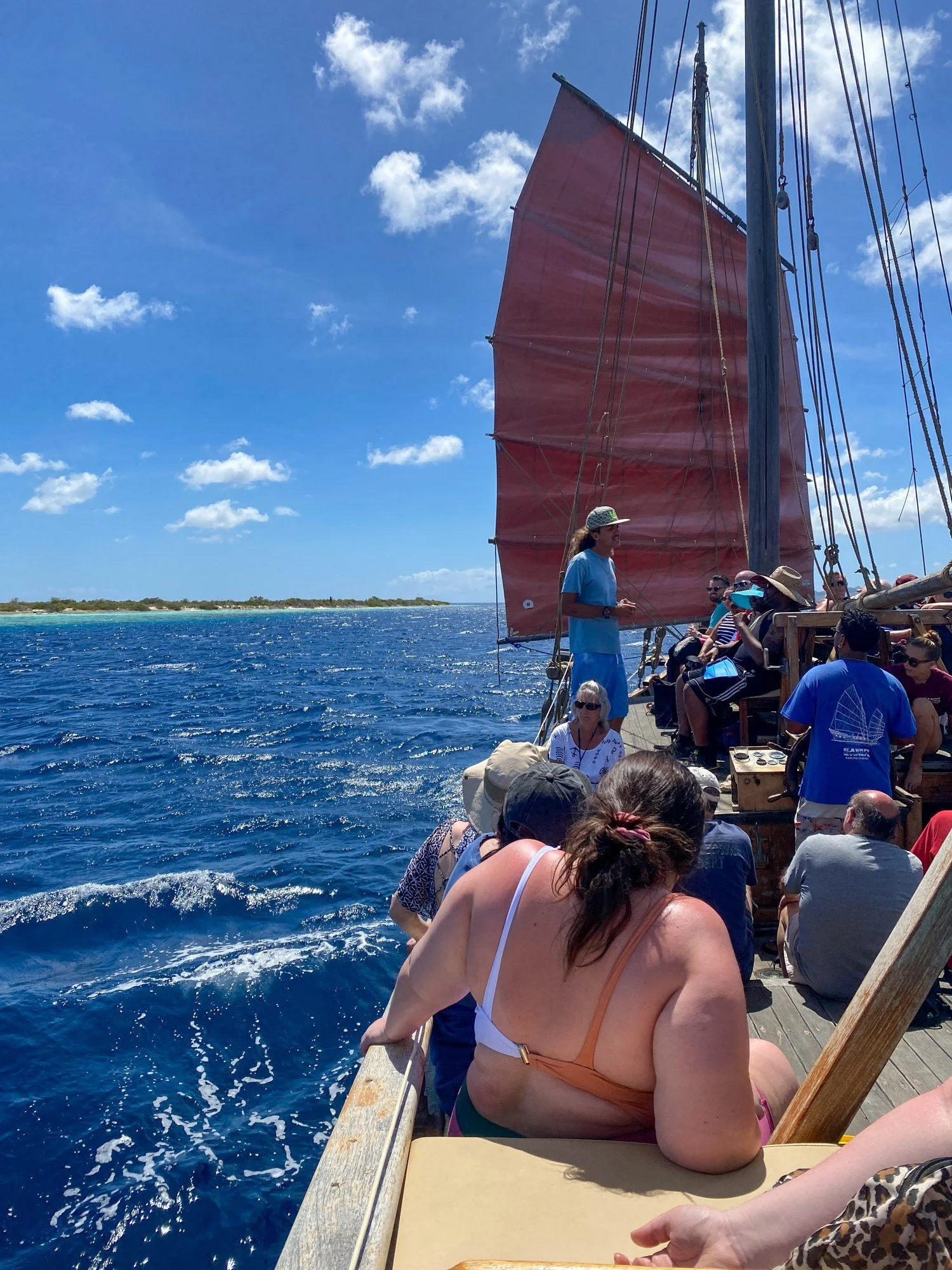
Seeing Bonaire from the water
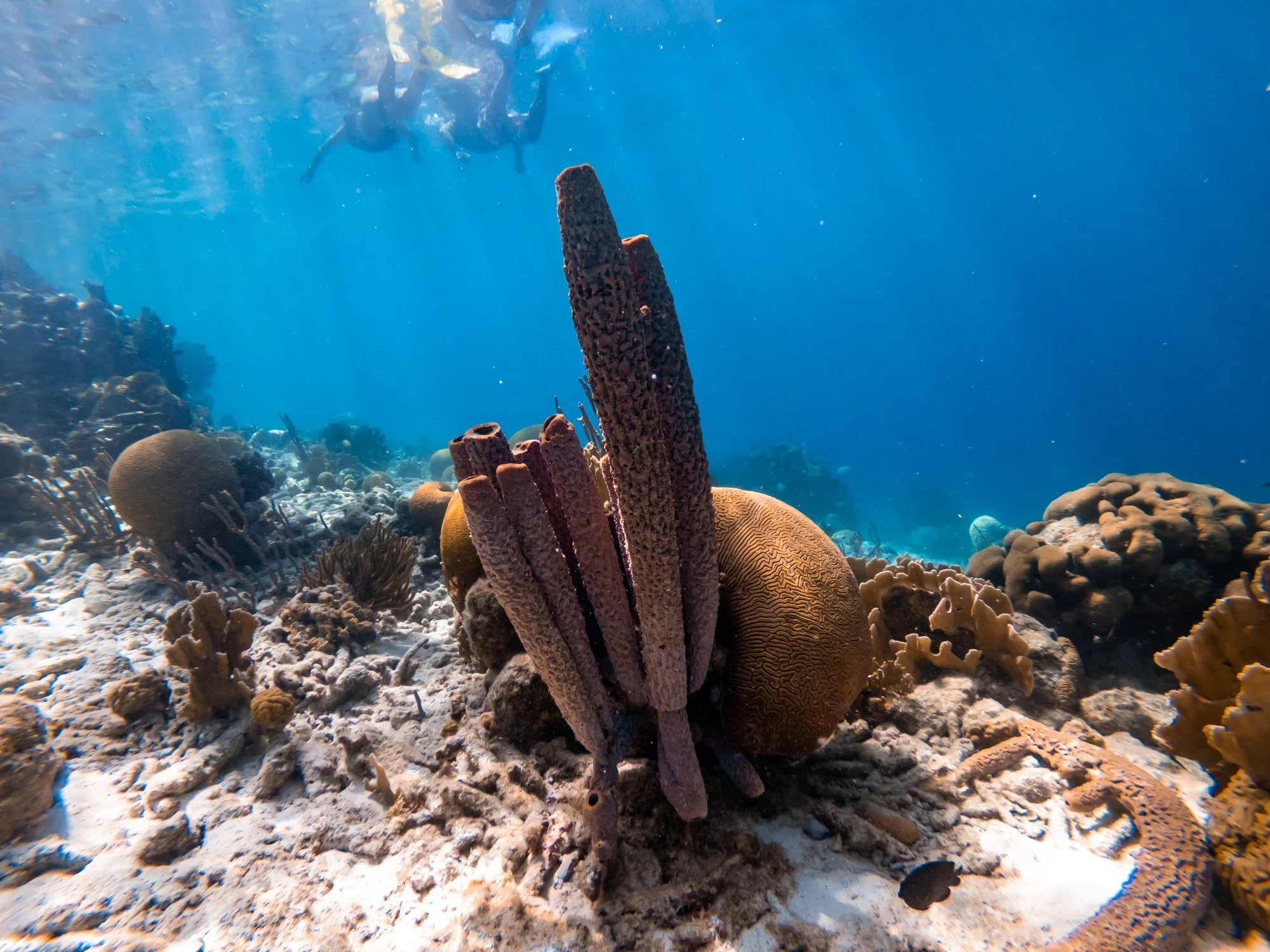
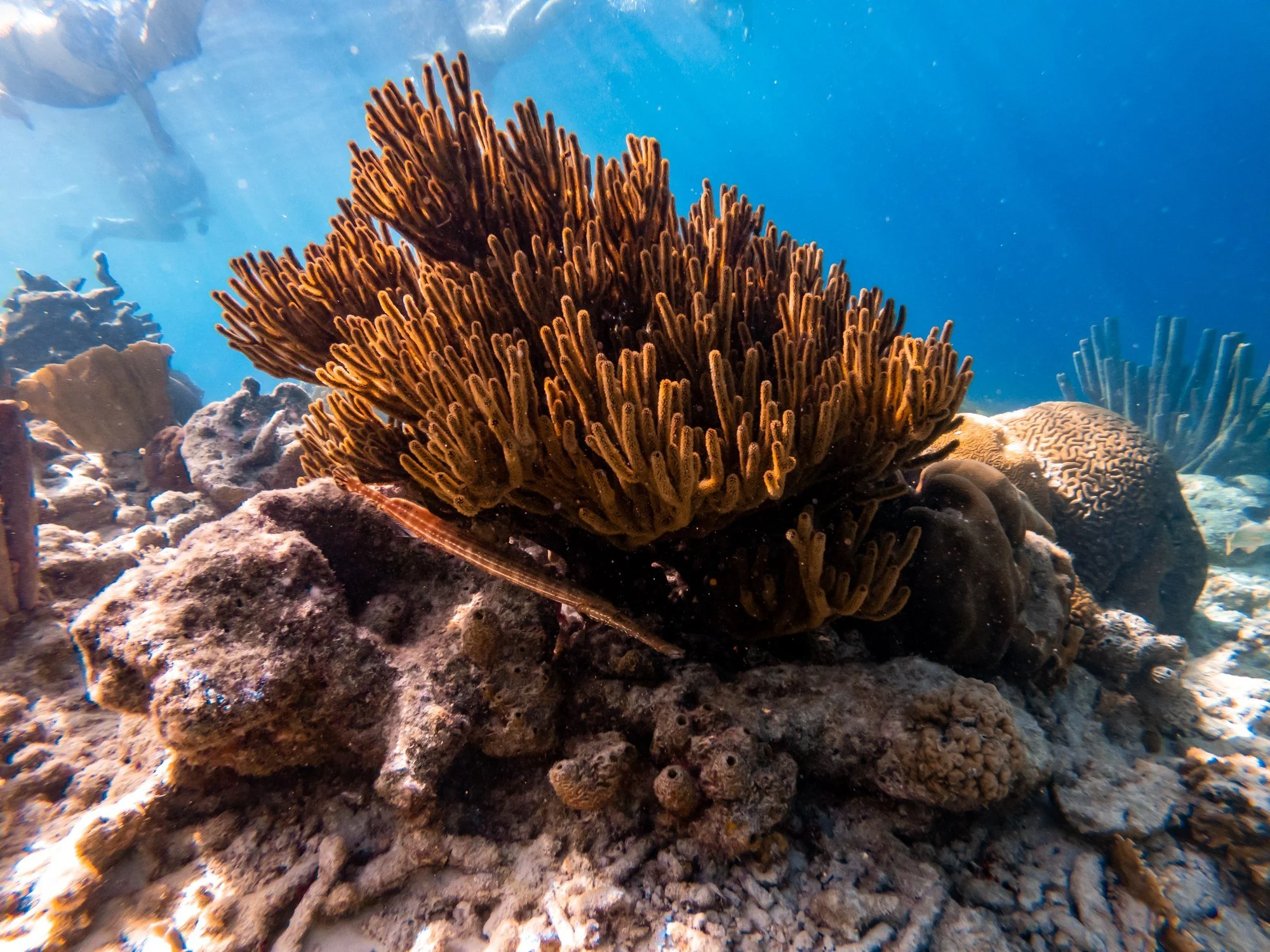
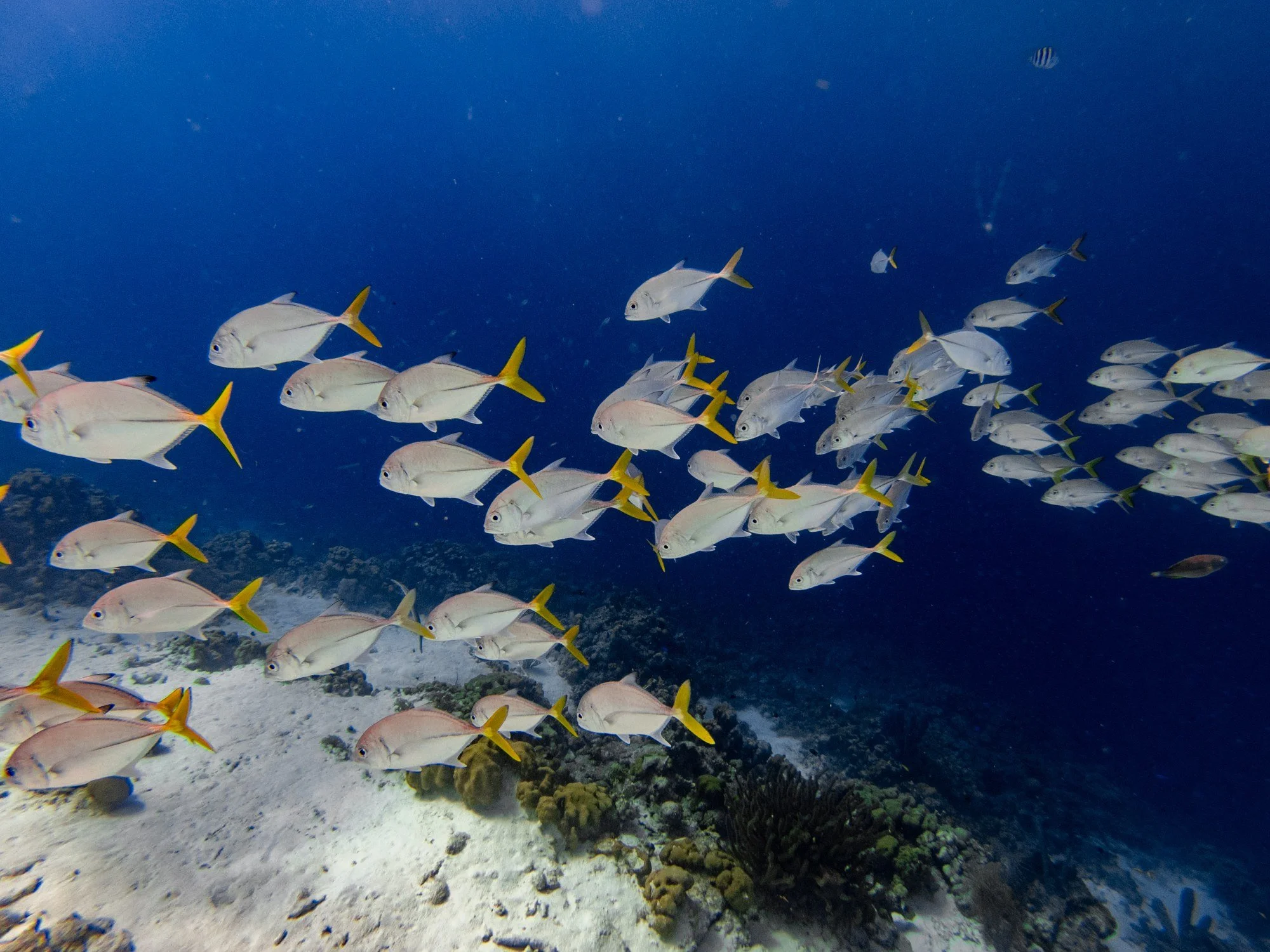
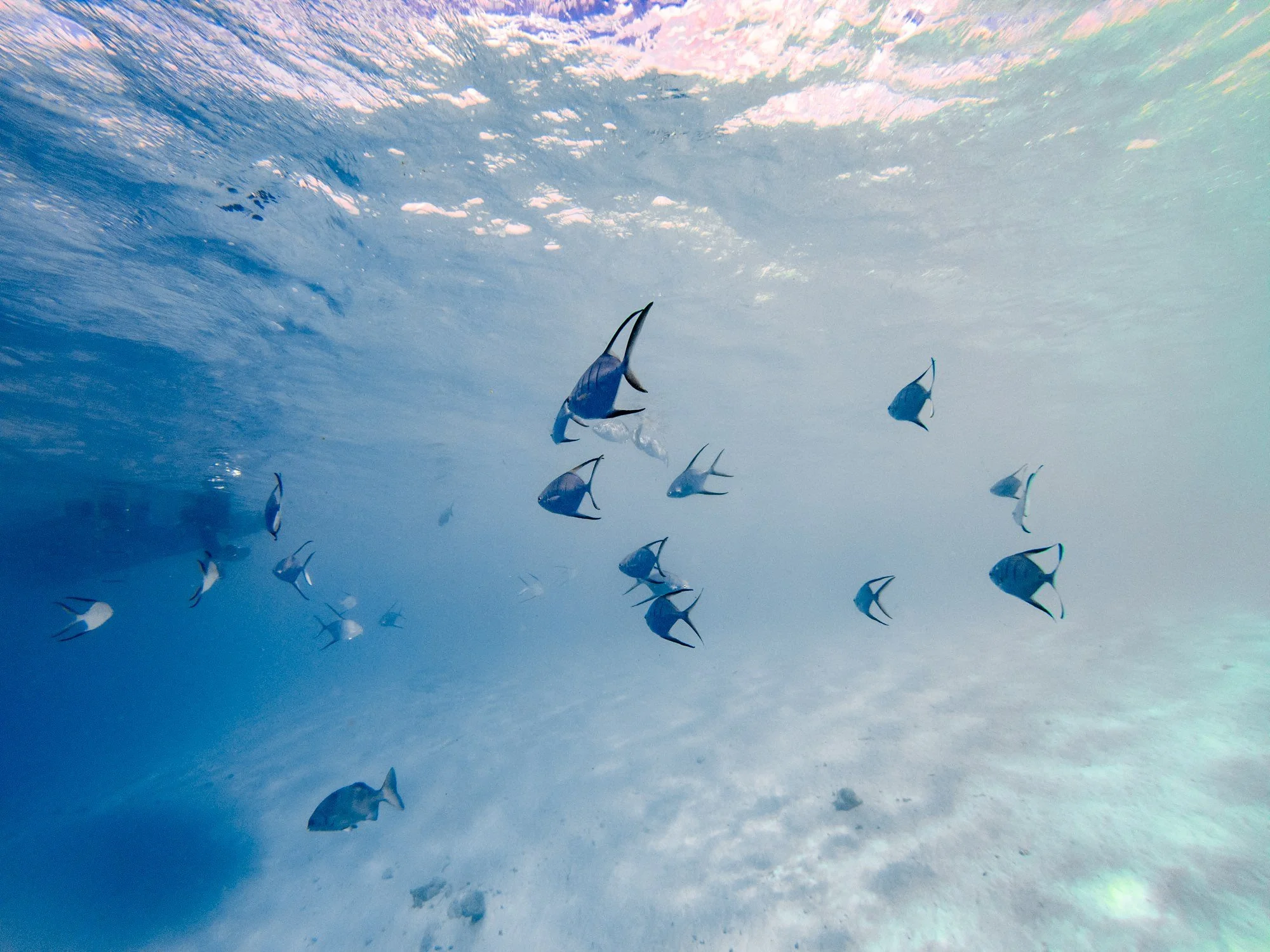
Part of the day was spent on the water, where Bonaire's clarity was the main attraction. We snorkeled over coral and watched schools of fish moving through the reef below us. Even without going on a full scuba-diving trip, this gave us a good look at the underwater environment for which Bonaire is known.
The boat ride also offered a different perspective on the coastline. Bonaire's terrain is much drier than many Caribbean islands, and the contrast between the pale shore, scrub-covered hills and vivid water makes the scenery distinctive.
Visiting 1,000 Steps
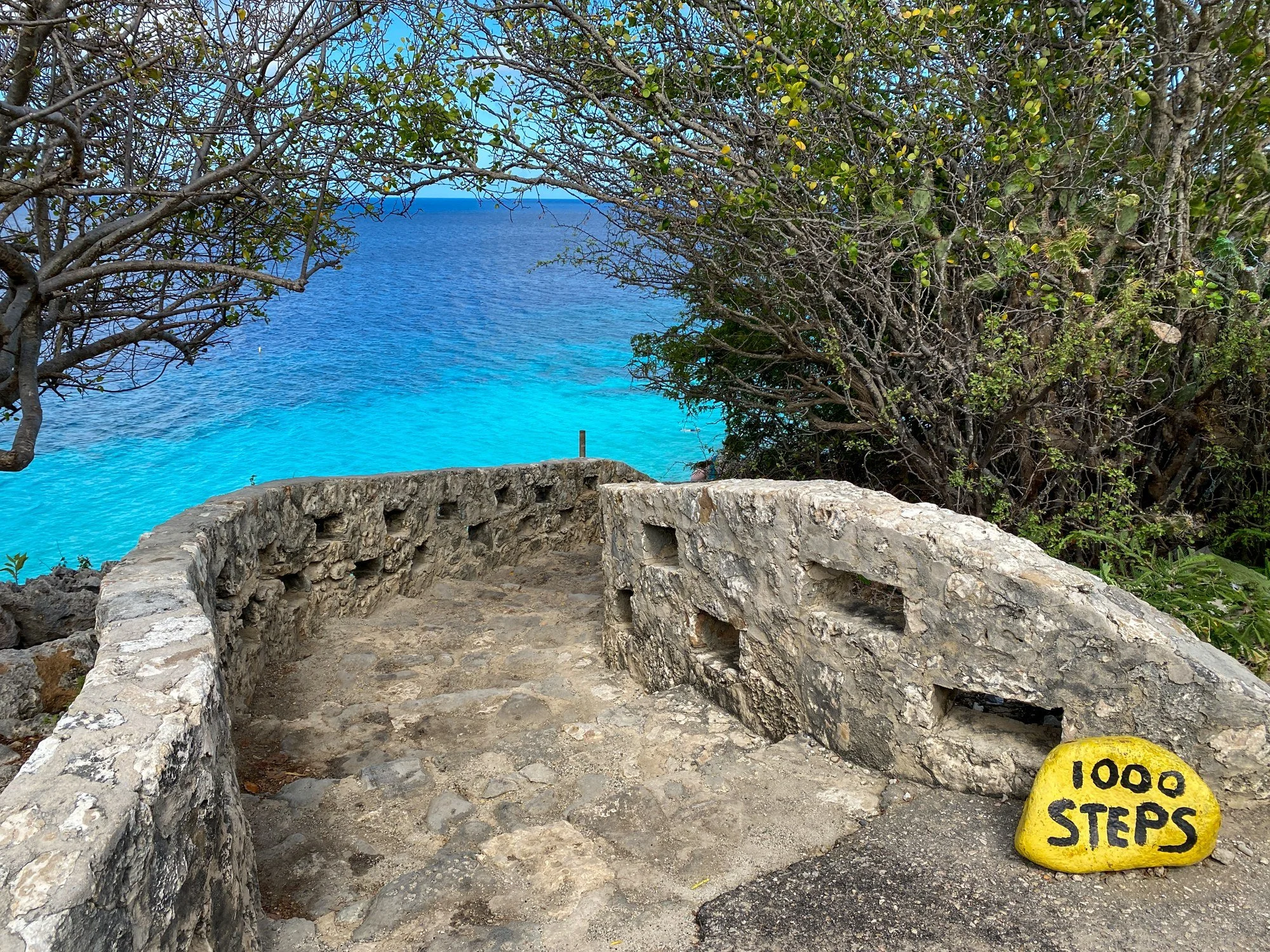
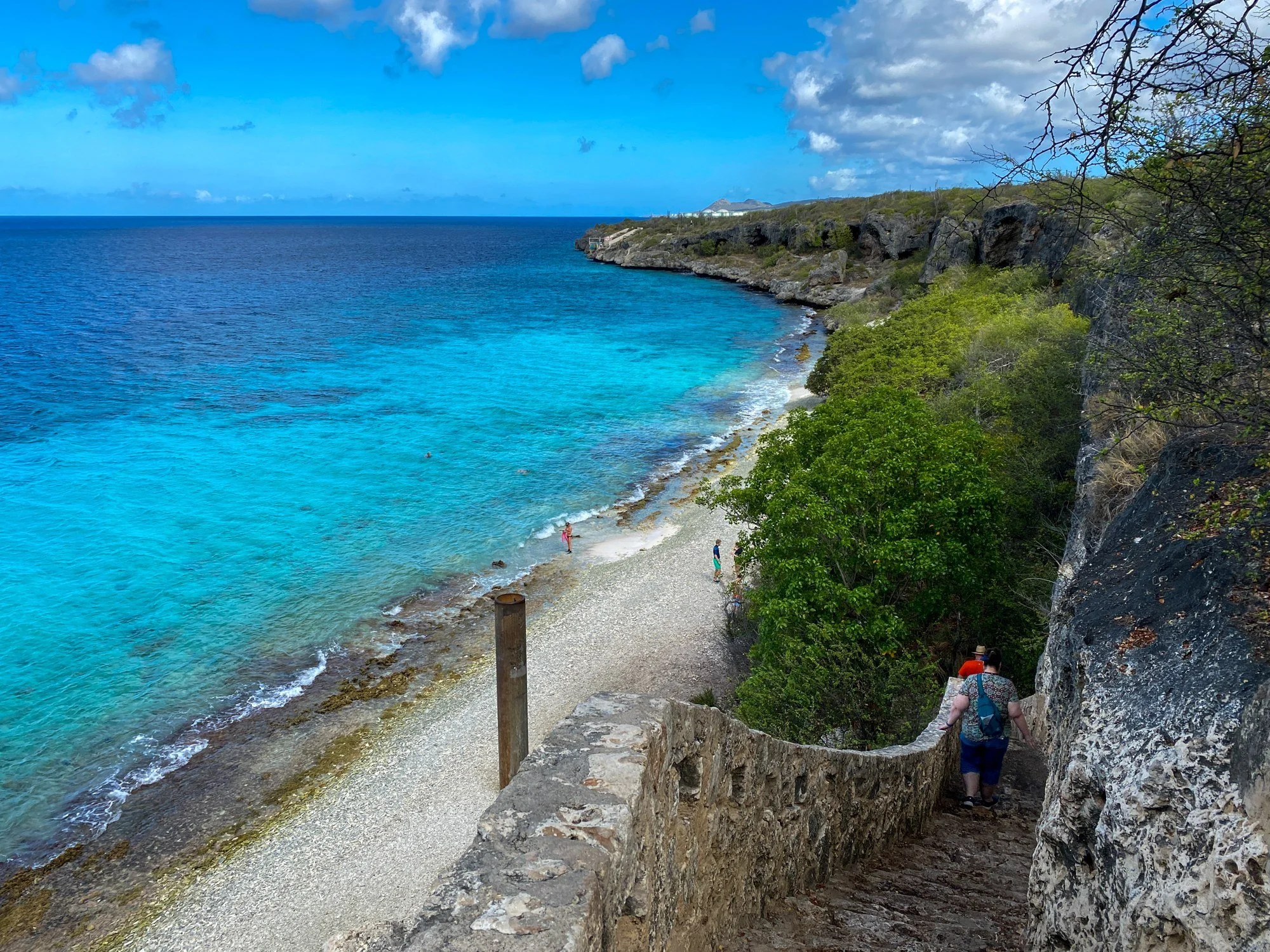
One of the recognizable stops on the island's western coast is 1,000 Steps. Despite the name, the staircase has only about 67 limestone steps. From the top, the cove and layers of blue water make it easy to understand why this is such a popular stop for sightseeing, snorkeling and diving.
The staircase can still feel longer on the way back up, particularly after time in the water. Even if you do not plan to swim, it is worth stopping for the elevated coastal view.
The salt pans
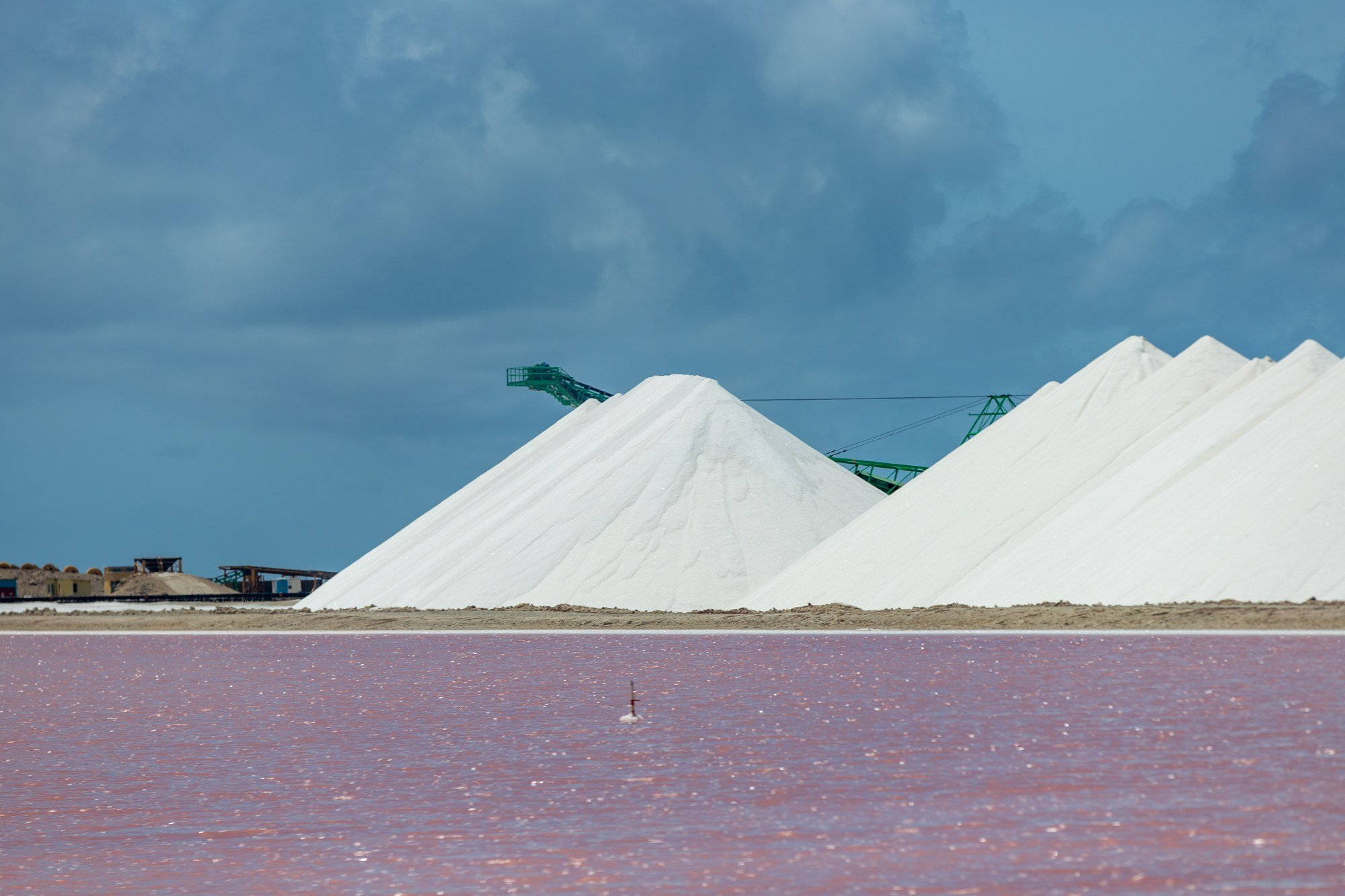
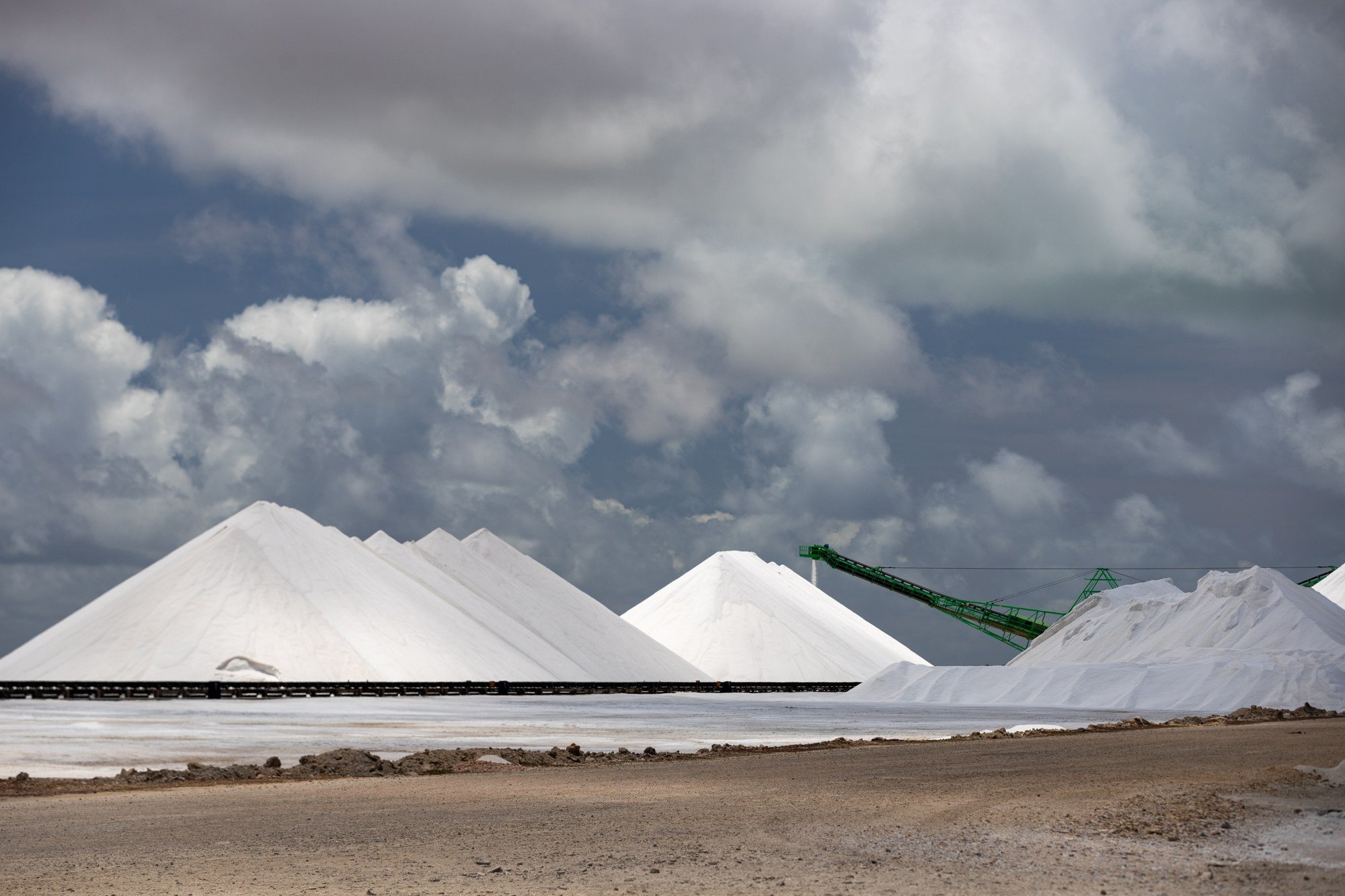
Southern Bonaire looks entirely different from the northern coastline. Large salt ponds spread across the flat landscape, with brilliant white salt pyramids rising beside water that can take on pink and purple tones.
Salt production has shaped Bonaire for centuries and remains visible on a huge scale. The geometric ponds and salt piles are striking from the road, but their beauty is inseparable from the island's history.
The slave huts
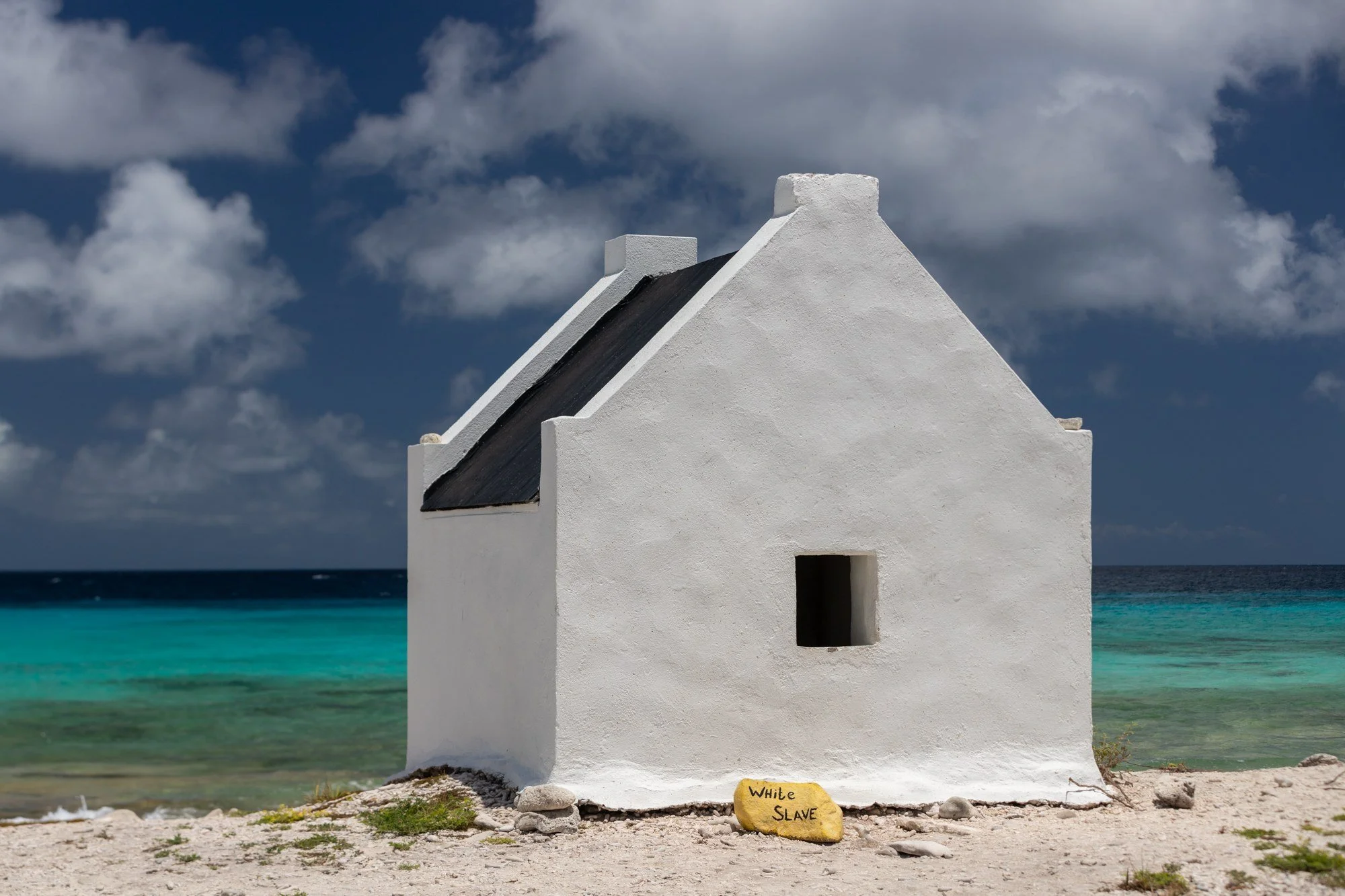
Along the coast are small stone huts built in 1850 to shelter enslaved workers who labored in Bonaire's salt industry. Their low entrances and tiny interiors give a sobering sense of the conditions in which people were forced to live while doing extremely difficult work.
This was not simply another photo stop. The huts are an important historical site, and they add necessary context to the nearby salt pans. Seeing both on the same tour made the history of the landscape much more tangible.
Returning toward Kralendijk
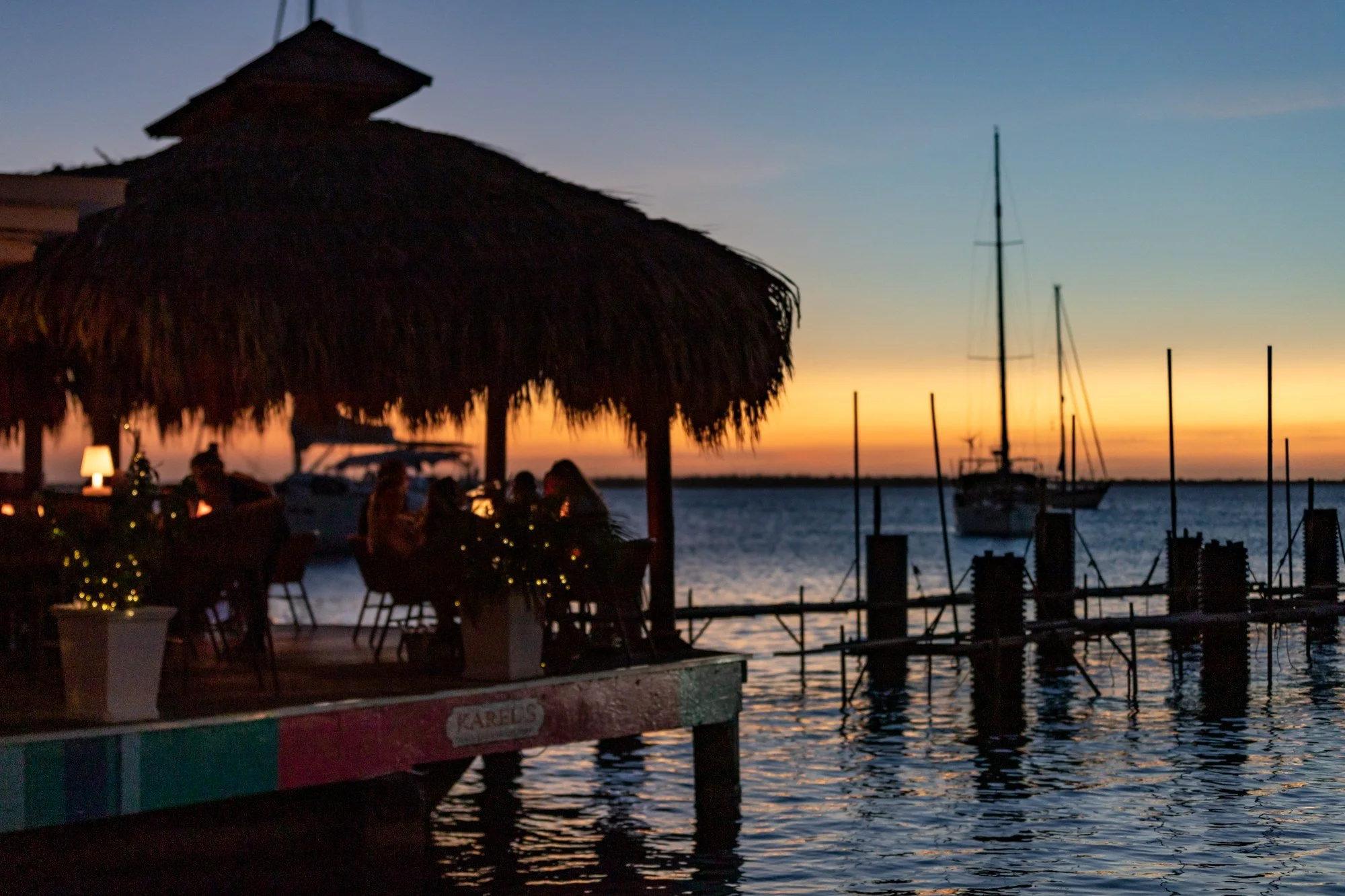
After the excursion, the waterfront and the ship provided a relaxed end to the day. With a late scheduled departure, we did not feel as rushed as we sometimes do during shorter port calls. The evening light over the water was especially beautiful, and Bonaire delivered one of the best sunsets of the cruise.
Was the Best of Bonaire excursion worth it?
For a first visit, I thought it was a worthwhile way to experience several of the island's highlights in one day. The combination of snorkeling, scenery and history provided more variety than spending the entire port call in one place.
Because we are scuba divers, the visit also left us wanting to return and stay on Bonaire rather than experience it only as a cruise port. The island is known for its world-class diving, and a land-based trip would give us time to explore far more of its reefs and dive sites without working around a ship's schedule.
Travelers who are primarily interested in scuba diving may prefer a dedicated dive operator, while independent visitors may want to rent a vehicle and explore at their own pace. For us, however, the Carnival excursion was an easy way to see a broad cross-section of Bonaire while keeping the logistics simple.
Tips for a Bonaire cruise day
Confirm exactly which water activities and sightseeing stops are included in the current excursion description.
Bring reef-safe sun protection, water shoes and a dry bag if your day includes snorkeling.
Carry water; Bonaire's dry climate and strong sun can be deceptive.
Treat the slave huts as a historical memorial, not merely a colorful roadside backdrop.
Allow time to enjoy Kralendijk before returning to the ship, especially during a long port call.
Continue the Southern Caribbean journey
Looking for Southern Bonaire photos?
The photographs in this article represent only a small selection from my collection. Additional high-resolution images from Bonaire may be available for editorial and commercial licensing.